

Your gut health could be the key to better mental well-being. Research shows that synbiotics - a combination of probiotics and prebiotics - can help improve mood, reduce anxiety, and support cognitive function by restoring balance in the gut microbiome. Here's what you need to know:
- Synbiotics combine probiotics (beneficial bacteria) and prebiotics (fiber that feeds these bacteria) to strengthen gut health.
- The gut-brain axis links gut health to mental health, influencing mood, stress, and cognition through neurotransmitters like serotonin and anti-inflammatory compounds.
- Studies reveal that synbiotics reduce depression and anxiety symptoms, particularly in mild-to-moderate cases, with effects noticeable after 8–12 weeks of consistent use.
- Synbiotics also support cognitive health by boosting brain-derived neurotrophic factor (BDNF) levels, essential for memory and learning.
- Diets rich in prebiotic foods (e.g., garlic, onions, oats) and fermented probiotic foods (e.g., yogurt, kimchi) can naturally enhance gut health. Supplements provide an alternative for targeted support.
Synbiotics offer a promising way to address mental health challenges by focusing on gut health. Keep reading for clinical evidence and actionable tips on incorporating synbiotics into your routine.
Probiotics Improve Anxiety, Depression & Insomnia (September 2023 Research)
Clinical Evidence on Synbiotics for Mental Health
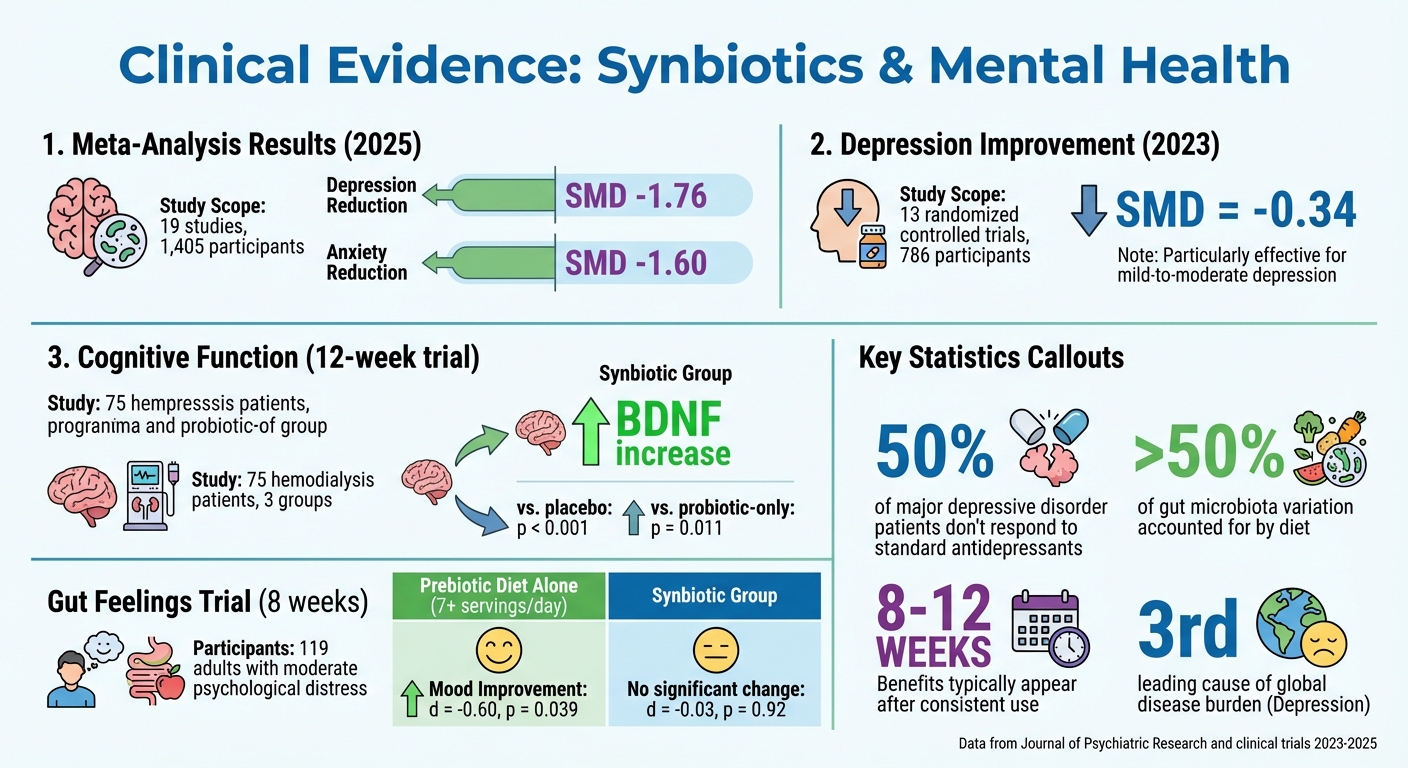
Clinical Evidence: Synbiotics' Impact on Mental Health - Key Statistics
Mood and Anxiety Improvements
Recent clinical studies provide strong support for the mental health benefits of synbiotics. A 2025 meta-analysis reviewing 19 studies (involving 1,405 participants) found that synbiotic interventions significantly reduced both depression (SMD: -1.76) and anxiety scores (SMD: -1.60) compared to control groups [3][6]. The researchers concluded:
"Our meta-analysis indicates that probiotics, prebiotics, or synbiotics significantly reduce depression and anxiety symptoms in patients with depression."
These interventions seem particularly effective for those dealing with mild-to-moderate depression, offering a potential alternative or complement to traditional antidepressant therapies [5][7]. Another meta-analysis from 2023, which reviewed 13 randomized controlled trials with 786 participants, supported these findings. It showed that synbiotics improved depression symptoms, with an effect size of SMD = -0.34 [5][7]. The benefits are thought to stem from reduced systemic inflammation, as indicated by lower levels of markers like CRP and IL-6 [3][2]. Notably, these mood improvements are accompanied by emerging evidence of cognitive benefits.
Effects on Cognitive Function
Synbiotics are also showing potential for improving cognitive function. In a 12-week trial involving 75 hemodialysis patients, participants were divided into three groups: synbiotic (15 g prebiotics + 5 g probiotics), probiotic alone, and placebo. The synbiotic group demonstrated a significant increase in serum Brain-Derived Neurotrophic Factor (BDNF) levels compared to both the placebo group (p < 0.001) and the probiotic-only group (p = 0.011) [8]. This finding underscores the role of gut-brain communication, as BDNF is critical for neuroplasticity, neuron survival, and overall cognitive health.
Additionally, specific strains such as Lactobacillus plantarum P8 and L. plantarum 299v have been associated with enhanced memory, focus, and general cognitive performance in both stressed adults and individuals with major depression [3]. These results suggest that carefully selected synbiotic combinations can more effectively influence the gut-brain axis.
Stress and Cortisol Reduction
In addition to cognitive and mood benefits, synbiotics may influence stress-related biological pathways. While they consistently reduce anxiety symptoms, their impact on serum cortisol levels remains unclear. For instance, a 2023 meta-analysis of 13 randomized controlled trials found no significant differences in cortisol levels between synbiotic and placebo groups [5].
One notable study, the "Gut Feelings" trial, explored this further. This 8-week randomized controlled study involved 119 adults experiencing moderate psychological distress. Participants in the synbiotic group (n = 32) received a twice-daily probiotic (12 billion CFU) alongside a high-prebiotic diet (7+ servings/day). Interestingly, while the synbiotic group showed no significant reduction in stress (d = -0.03, p = 0.92), the prebiotic diet alone led to notable improvements (d = -0.60, p = 0.039) [1][4][9]. These findings highlight the importance of carefully selecting the right combination of strains and substrates in synbiotic formulations to maximize mental health benefits.
How Synbiotics Influence Mental Health
Restoring Microbiome Balance
Your gut is home to a bustling community of microbes that function as a complex ecosystem [1]. When this ecosystem becomes unbalanced - a condition known as dysbiosis - it can take a toll on mental health. Synbiotics, which combine live beneficial bacteria (probiotics) with the fibers that help them thrive (prebiotics), work to restore this balance. By addressing microbial imbalances linked to neuropsychiatric disorders, synbiotics play a key role in supporting mental well-being [3][10].
One of their standout benefits is strengthening the gut’s barrier. When the intestinal lining is compromised - a condition often referred to as "leaky gut" - pro-inflammatory molecules like lipopolysaccharides (LPS) can leak into the bloodstream. This triggers systemic inflammation, which may negatively affect the brain [1][3][10]. Synbiotics help by reinforcing the gut barrier and protecting probiotic strains from bile acid stress during digestion, ensuring more of these beneficial bacteria survive and colonize [10]. Once established, these bacteria ferment prebiotics into short-chain fatty acids (SCFAs), which have anti-inflammatory and neuroprotective properties [3][10]. This restored balance also sets the stage for improved neurotransmitter production, which is critical for mental health.
Neurotransmitter Production
A healthy gut doesn't just stay in the gut - it influences the brain too. Specific bacterial strains, such as Lactobacillus and Bifidobacterium, are capable of producing neurotransmitters like serotonin, GABA, dopamine, and norepinephrine, all of which are key players in regulating mood and cognitive function [3][10]. These neurotransmitters communicate with the central nervous system through pathways like the vagus nerve, creating a direct link between gut health and mental health.
"The gut microbiome... influences this axis by producing neurotransmitters like serotonin and GABA and modulating systemic inflammation." - Journal of Psychiatric Research [3]
SCFAs, produced during prebiotic fermentation, also contribute to the production of brain-derived neurotrophic factor (BDNF). BDNF is a protein crucial for memory, learning, and the survival of neurons [10]. For example, clinical studies have shown that strains like Lactobacillus plantarum P8 can enhance mood and cognitive performance [3]. Synbiotics also help regulate the hypothalamic-pituitary-adrenal (HPA) axis, which controls the body’s stress response, further supporting mental resilience [10].
Lowering Inflammation
Chronic inflammation is a known contributor to mental health conditions like depression and anxiety. Inflammatory molecules circulating in the bloodstream can cross the blood-brain barrier, disrupting brain function and affecting mood and cognition. Synbiotics address this issue at its root - within the gut [1][3][10].
"Through gut microbial fermentation, prebiotics generate short-chain fatty acids (SCFAs) that have anti-inflammatory and neuroprotective effects, potentially mitigating depressive pathology." - Journal of Psychiatric Research [3]
SCFAs also play a critical role in the development of microglia, the brain’s immune cells. These cells are essential for maintaining a non-inflammatory environment in the central nervous system [10]. This is particularly significant given that nearly 50% of patients with major depressive disorder don’t respond well to standard antidepressant treatments [3][5].
Additionally, diet has a significant influence on gut microbiota composition, accounting for over 50% of its variation [1]. Regular consumption of prebiotic-rich foods can reduce inflammation by preventing the movement of pro-inflammatory endotoxins and fostering the production of anti-inflammatory metabolites. By creating a healthier gut environment, synbiotics contribute to better mental health outcomes [1][10].
sbb-itb-1bbfe7f
Adding Synbiotics to Your Mental Wellness Routine
The connection between gut health and mental well-being is well-documented, making it essential to include synbiotics in your mental wellness plan. These interventions help restore gut microbiome balance and support neurotransmitter regulation, as highlighted in clinical studies.
Food Sources of Prebiotics and Probiotics
A gut-friendly diet begins with knowing which foods naturally nourish your microbiome. Prebiotic foods supply the fiber that feeds beneficial bacteria, while probiotic foods introduce live microorganisms directly to your gut. Together, they create a natural synbiotic effect [4].
For prebiotics, focus on fiber-rich plant-based foods. Vegetables like asparagus, garlic, onions, leeks, and artichokes are excellent options. Whole grains such as oats, whole wheat, and barley, along with legumes like lentils, chickpeas, and red kidney beans, also provide substantial prebiotic content. Fruits like watermelon, nectarines, and grapefruit, as well as nuts like cashews and pistachios, are other great choices. Research from the University of Melbourne's "Gut Feelings" trial found that consuming at least seven servings of these foods daily significantly reduced mood disturbances (Cohen's d = -0.60) [4].
To avoid digestive discomfort, such as bloating or gas, gradually introduce these high-fiber foods over five days [4]. For probiotics, include fermented foods like yogurt, kefir, sauerkraut, and kimchi in your meals. When paired with prebiotics, these foods work together to benefit both gut and mental health [4].
If your diet alone doesn’t meet your needs, supplements can help fill the gaps.
Using Synbiotic Supplements
While food is a great starting point, synbiotic supplements provide a reliable and concentrated source of specific strains that may be hard to obtain through diet alone [1]. This is especially relevant for mental health, where certain "psychobiotic" strains from the Lactobacillus and Bifidobacterium genera have shown encouraging results in research [5].
One example is Begin Rebirth RE-1™ (https://beginrebirth.com), a clinically supported 3-in-1 synbiotic designed to balance the gut microbiome. Each sachet contains 500 billion CFU of Human Origin Strains (HOSt™), 4.5g of prebiotic fiber (GOS and inulin), and postbiotics. Its Lyosublime™ delivery system ensures effective absorption, and it doesn’t require refrigeration. Available in 7-day, 4-week, and 12-week programs, this supplement offers flexibility to match your mental wellness goals.
Typically, synbiotic supplements are taken twice daily with food - once in the morning and once in the evening. To maintain the viability of live microorganisms, store them below 77°F (25°C). Consistent use is key, with benefits for mood and anxiety often appearing after 8 to 12 weeks of regular use [4].
Choosing the Right Synbiotics for You
To maximize the mental health benefits of synbiotics, selecting the right formulation is crucial. Look for products containing clinically studied strains like Lactobacillus helveticus (R0052), Bifidobacterium longum (R0175), and Lactobacillus plantarum [3].
Consider your specific needs. Synbiotics have been shown to be particularly effective for individuals with mild-to-moderate depression or anxiety, either as an alternative or alongside standard treatments for those not fully responding to conventional approaches [5].
If you have specific health concerns, such as a weakened immune system, cardiac conditions, or a central venous catheter, consult your healthcare provider before starting synbiotics, as there is a small risk of systemic infections from live microbes [10]. Additionally, the gut microbiome can affect how psychiatric medications are metabolized, so discuss potential interactions with your doctor if you're on prescription drugs [10].
Experts suggest starting with at least 5g of prebiotic fiber daily, as this is the threshold where benefits for both body and mind typically begin [4]. For stress reduction, clinical trials have used synbiotic doses containing 10 billion CFU of probiotics combined with 10g of prebiotics (e.g., a mix of 5g GOS and 5g FOS) [11]. If you’re sensitive to certain foods, be aware that some prebiotics may rarely cause allergic reactions, and fermented foods high in amines (like sauerkraut) could trigger headaches in susceptible individuals [10].
"Targeting the gut microbiome with probiotics, prebiotics, and synbiotics offers a promising approach to mental health by restoring microbial balance and enhancing gut-brain signaling." - Reza Moshfeghinia et al., Journal of Psychiatric Research [3]
Conclusion
Extensive meta-analyses confirm that synbiotics can effectively reduce symptoms of depression and anxiety, especially in those with mild-to-moderate cases [3][5][7]. These benefits are tied to synbiotics’ ability to influence the gut-brain axis in multiple ways: they help restore microbial balance, promote the production of neurotransmitters like serotonin and GABA, strengthen the gut barrier, and reduce systemic inflammation. Research indicates that these positive effects generally appear after four to nine weeks of consistent use [12], making synbiotics a practical option for those looking for additional mental health support [7].
One 8-week study demonstrated that a high-prebiotic intervention significantly reduced total mood disturbance (Cohen's d = -0.60, p = 0.039) while also improving anxiety, stress, and sleep quality [1]. Given that depression ranks as the third leading cause of global disease burden [3][5], these gut-focused approaches provide a natural, research-backed way to complement traditional mental health care.
Whether you choose to incorporate more prebiotic-rich and fermented foods into your diet or opt for a targeted synbiotic supplement like Begin Rebirth RE-1™, the evidence supports these steps as effective tools for promoting mental wellness.
FAQs
How do synbiotics support mental health through the gut-brain connection?
Synbiotics, a combination of probiotics (helpful bacteria) and prebiotics (nutrients that nourish these bacteria), play an important role in mental health by strengthening the gut-brain connection. They help maintain a balanced gut microbiome, encourage the production of short-chain fatty acids (like butyrate), and reinforce the gut barrier. This, in turn, reduces inflammation and prevents harmful molecules from triggering stress responses within the body.
Probiotics in synbiotics also contribute by producing neuroactive compounds, including serotonin precursors, and influencing signaling through the vagus nerve - both of which directly affect brain function. Research has shown that synbiotics can help improve mood, ease anxiety, and support emotional regulation by restoring gut health and fostering better communication between the gut and brain.
These insights emphasize how synbiotics might support mental well-being by addressing the vital connection between the gut and the brain.
What synbiotic strains are recommended for improving mood and cognitive function?
Research into synbiotics and mental health has identified specific probiotic strains that may support mood and cognitive function. Notable examples include Lactobacillus rhamnosus (especially the GG strain), Bifidobacterium longum, and Lactobacillus plantarum. These strains are often paired with prebiotic fibers like inulin or galactooligosaccharides. Together, they’ve been associated with reduced anxiety and depression levels, as well as better cognitive performance, thanks to their influence on the gut-brain axis and the production of neuroactive compounds, such as short-chain fatty acids.
Studies also indicate that multi-strain synbiotic formulations - blending complementary probiotics with well-researched prebiotics - can enhance gut colonization and deliver greater metabolic benefits. For those looking for a scientifically-supported option, Begin Rebirth RE-1™ stands out. This 3-in-1 synbiotic combines human-origin strains (HOSt™), prebiotics, and postbiotics, packing 500 billion CFU per serving. Its proprietary delivery system is designed to ensure optimal gut absorption.
How long does it usually take to notice mental health improvements from synbiotics?
Mental health improvements from synbiotics, including better mood and enhanced cognitive function, typically become evident after about 8 weeks of consistent daily use. Research indicates this period gives the gut microbiome enough time to adapt and start supporting brain health through the gut-brain connection.
However, individual experiences can differ depending on factors like diet, lifestyle, and overall health. To maximize the benefits, it's crucial to pair synbiotics with a well-rounded, healthy routine.