

Microbiome testing has grown in popularity, with prices ranging from $100 to $500. These tests promise insights into gut health but come with challenges like inconsistent results, lack of FDA regulation, and no insurance coverage. Advanced tests offer deeper insights, while budget-friendly options provide basic overviews. Here's a quick breakdown:
- Viome: $199–$399, uses RNA sequencing for active microbial activity.
- Ombre: $120, affordable but limited to genus-level insights.
- BIOHM: $129, analyzes bacteria and fungi.
- Floré: $299, creates custom probiotics based on results.
- Tiny Health: $249, focuses on infants and pregnancy with strain-level precision.
Key takeaway: While these tests can offer personalized recommendations, their reliability varies, and none are clinically validated. Consulting a healthcare provider is essential for serious symptoms.
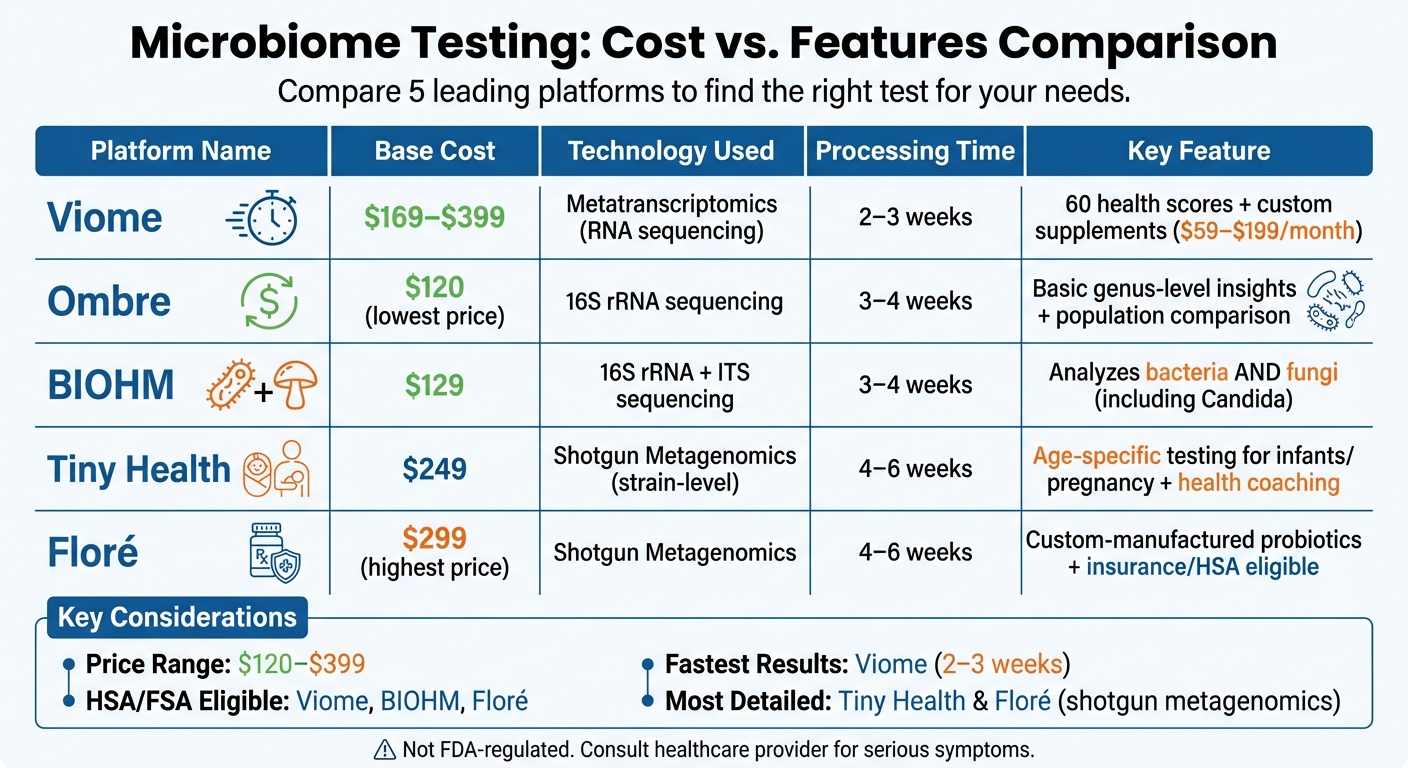
Microbiome Testing Platforms: Cost, Technology & Features Comparison
1. Viome
Cost
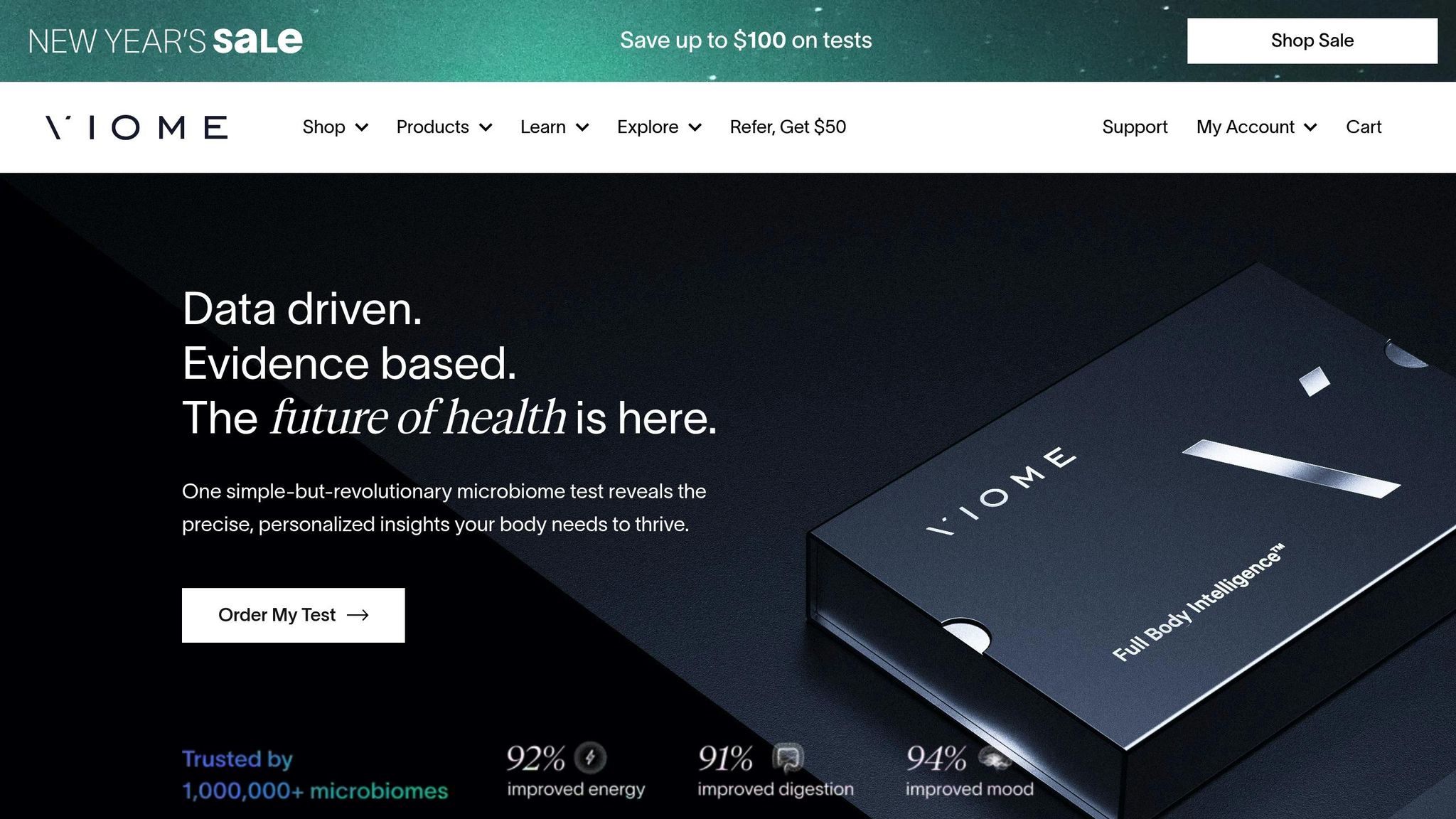
Viome's kits range in price from $199 to $399. The Gut Intelligence test is on the lower end, while the Full Body Intelligence test, which includes blood analysis, is at the higher end [3][4]. These tests are HSA/FSA eligible, which can help ease the financial burden if you have access to these accounts. In addition to the initial testing, Viome offers monthly supplement subscriptions priced between $59.95 and $199 [4]. However, some users have noted upselling practices that could increase monthly costs by around $200 [3]. What sets Viome apart is its distinctive sequencing technology.
Technology
Viome stands out by using metatranscriptomics, a form of RNA sequencing, instead of the more common DNA sequencing used by competitors [3]. This method captures real-time microbial activity, focusing on active gene expression rather than simply identifying which microbes are present. Through this approach, Viome provides insights into how your microbiome influences digestion, inflammation, and other health factors [3][2]. The data is processed using a proprietary AI algorithm, which references a database of over 20,000 clinical studies to deliver personalized health scores and recommendations [2].
Processing Time
Viome typically provides results within 2–3 weeks, which is faster than many other companies in the space [3]. This quick turnaround is largely due to its state-of-the-art laboratory located in Bothell, Washington [4]. The speed and efficiency of its operations contribute to its strong position in the market.
Features
Viome's reports offer 60 distinct health scores that cover areas such as Digestive Efficiency, Cognitive Health, Gut Lining Health, and Biological Age [3]. Along with these scores, the reports include personalized food recommendations, identifying superfoods and foods to avoid based on your microbial activity [3][2]. Additionally, Viome provides precise dosages of vitamins, minerals, enzymes, and probiotics tailored to your results [2][4]. However, some users have reported that the reports can be hard to interpret, as they list numerous bacterial strains by their Latin names without clearly indicating whether they are beneficial or harmful [3].
2. Ombre
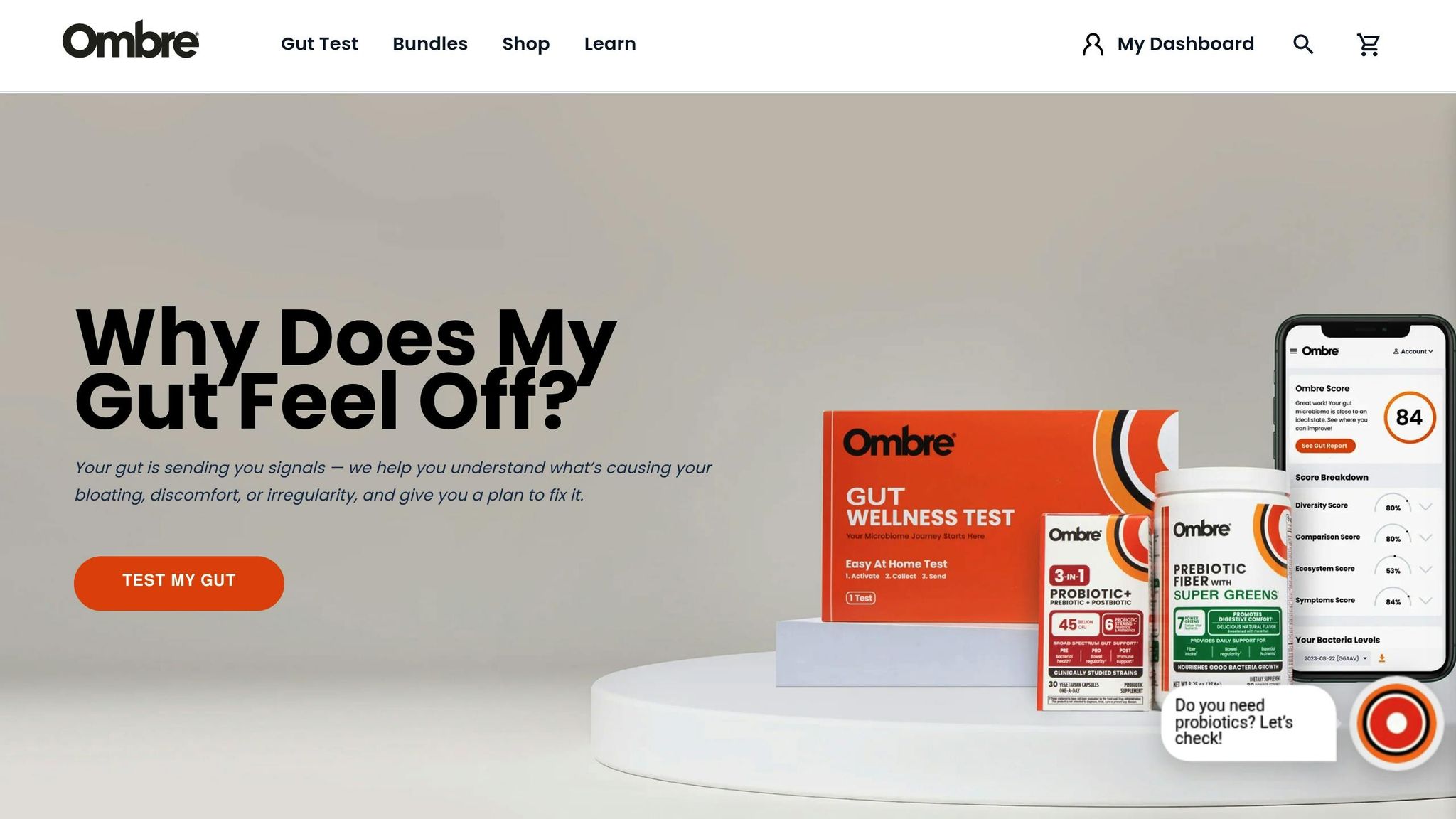
Ombre stands out as a budget-friendly choice for those looking for basic gut health insights.
Cost
When it comes to affordability, Ombre leads the pack. The test is priced at $120, making it cheaper than options like BIOHM ($129), Viome ($169), Tiny Health ($229), and Floré ($299). If you're planning to check your gut health regularly, their subscription plan can lower the cost per test to just $90 [5].
Technology
Ombre uses 16S rRNA sequencing, a method that relies on a universal genetic marker to identify bacteria. This approach is quicker and more cost-effective than some advanced technologies but has its limitations. It identifies bacteria only at the genus level, which means it doesn't provide species- or strain-specific details [3] [5].
Processing Time
You can expect results from Ombre within about 3–4 weeks. This timeline sits in the middle of the spectrum - faster than Tiny Health's 4–6 weeks but a bit slower than Viome's 2–3 weeks [5].
Features
Ombre's test gives you a general overview of your microbiome, comparing your results to a large population database. You'll also get dietary recommendations tailored to your profile. For those who want to take action, pre-formulated probiotic supplements are available for purchase. This option works well for users who need a straightforward starting point to discuss with a healthcare provider or are focused on keeping costs low [5].
3. BIOHM
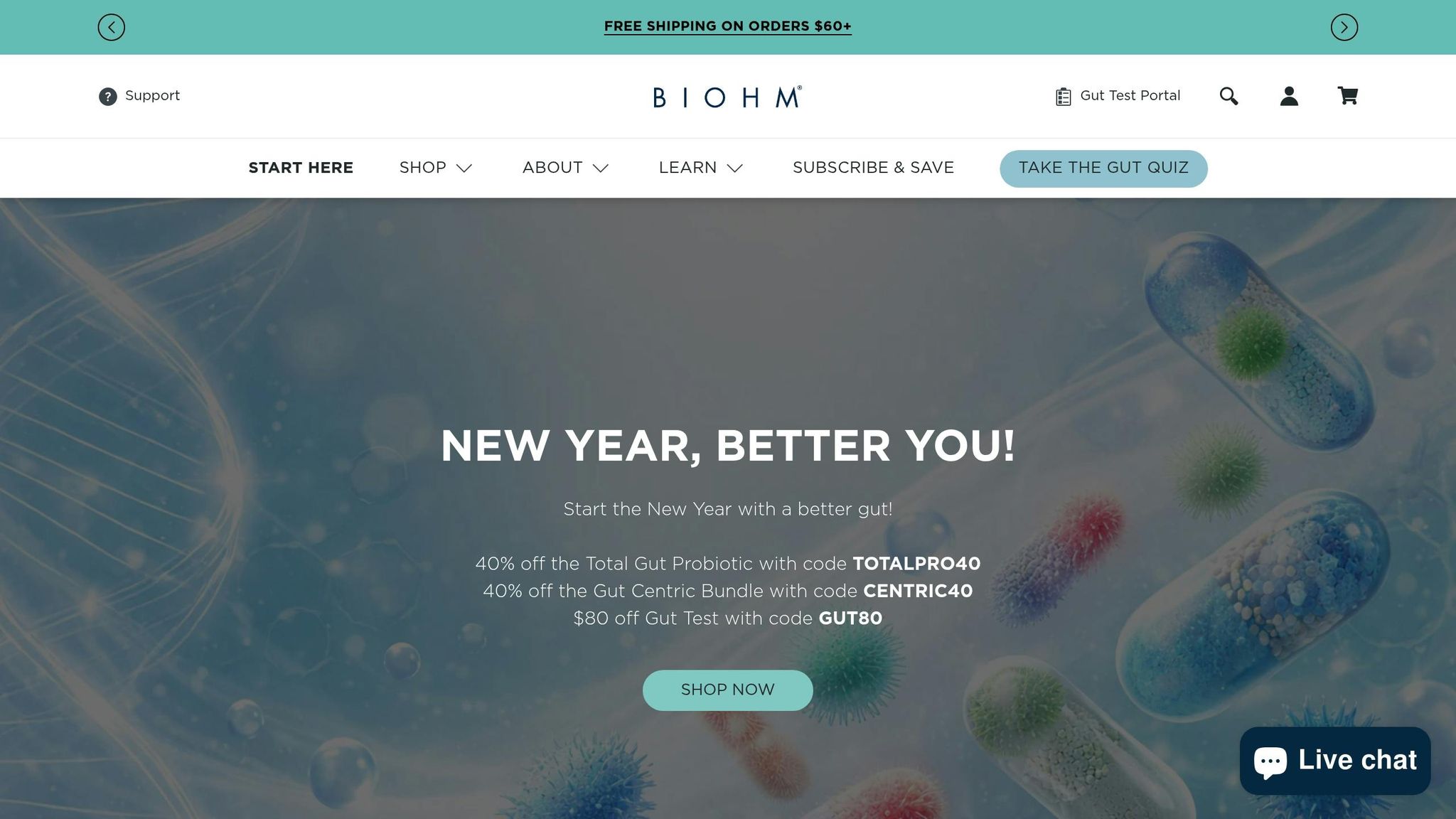
BIOHM stands out in the world of gut health testing by analyzing both bacteria and fungi, setting it apart from many other options on the market.
Cost
The BIOHM test is currently available for $194.99 (discounted from $249.99). You can use the code "GUT80" to save $80. It's also FSA/HSA eligible, and shipping is free for orders over $60. For an additional $59.99, you can schedule a live consultation with a Registered Nutritionist [6].
Technology
BIOHM employs a detailed 7-step process to analyze your gut microbiome. This includes DNA extraction, PCR (polymerase chain reaction), and sequencing to identify both bacterial and fungal species. Your results are compared against six major bacterial communities and four major fungal communities. Before you receive your personalized recommendations, a microbiome-trained Registered Dietitian reviews your report to ensure accuracy and relevance [6].
Processing Time
Once your sample passes quality control, you can expect your results within 3–4 weeks. However, occasional delays may occur [6].
Features
The report includes a Gut Score (on a scale of 1–10) along with tailored dietary, lifestyle, and supplement recommendations. BIOHM users have given the service a 4.5/5 star rating based on 57 reviews. Customers often highlight the simple instructions and actionable advice, though some note that the recommendations can lean heavily on BIOHM's own supplements. The company also offers a 60-day money-back guarantee for its testing kits, adding an extra layer of reassurance [6].
BIOHM’s thorough testing and personalized insights provide a solid foundation for exploring how it compares to other services in this space.
4. Floré
Floré takes a personalized approach to gut health by combining microbiome testing with custom probiotic formulations. After analyzing your stool sample, they create probiotics tailored specifically to your unique bacterial profile.
Cost
Floré is priced at $299, which places it above Ombre, BIOHM, and Viome. However, it stands out by offering potential prescription benefits that could help offset the cost. Some of their products are available by prescription, which may qualify for insurance coverage [5]. This makes it a strong choice if you’re looking to leverage insurance benefits.
They also provide an optional monthly membership, which includes a new test kit every four months along with your personalized probiotics [8]. On top of that, a portion of the profits from each purchase is donated to the Crohn's & Colitis Foundation to support research [8]. While the price might seem steep, these added benefits and options help make it more accessible.
Technology
Floré uses full-spectrum microflora analysis to examine over 23,000 species of bacteria, viruses, and fungi in your stool sample [8]. Dr. Will Cole, a Functional Medicine Practitioner, highlights its unique approach:
"This at-home gut microbiome test is unique because it also offers customized probiotics tailored to your results" [7].
The test delivers a detailed analysis report, including health goal recommendations and insights into joint health [8]. However, it’s important to note that the test is not FDA-approved and cannot provide a medical diagnosis [8]. Even so, its advanced technology lays the groundwork for highly personalized solutions.
Features
Floré sets itself apart further with additional features. They offer age-specific probiotic formulations for babies, toddlers, children, and adults [7]. Unlike competitors that rely on pre-formulated probiotics, Floré creates blends specifically tailored to your microbial data [5][7]. This level of customization is a major advantage for anyone looking for supplements designed specifically for their gut's needs.
sbb-itb-1bbfe7f
5. Tiny Health
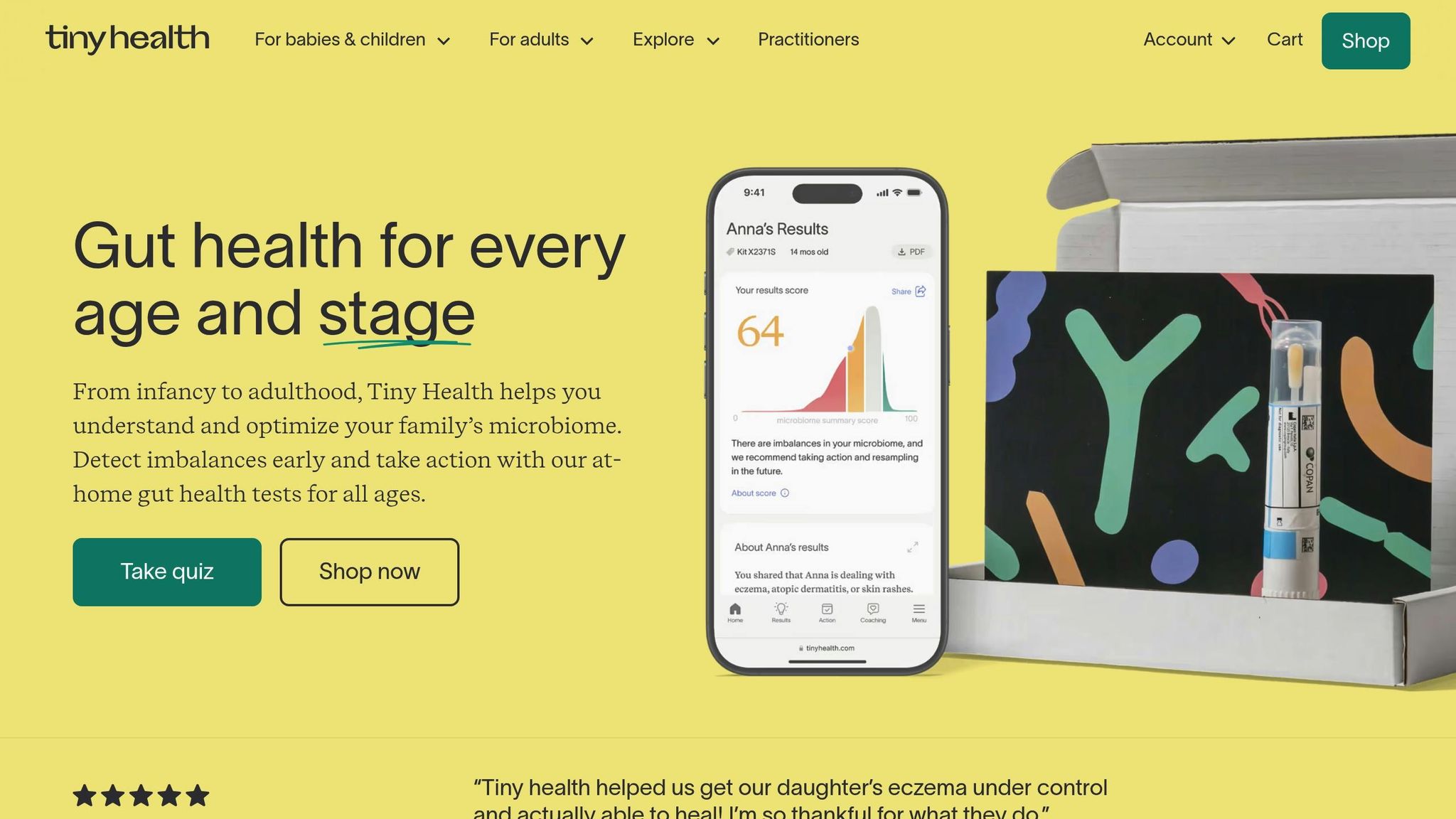
Tiny Health focuses on gut health during the critical first 1,000 days of life - spanning pregnancy to a child's third year. This period is essential for reducing the risk of conditions like eczema. In fact, a study published in Pediatric Allergy and Immunology revealed that babies receiving personalized microbiome support through Tiny Health had an 83% lower chance of developing eczema [18,19]. This targeted approach, combined with competitive pricing and advanced technology, sets Tiny Health apart.
Cost
Tiny Health's test kit costs $249.00 [11]. For those seeking ongoing monitoring, the Tiny+ membership is available for $399 annually [10]. If a sample fails, a replacement kit is provided for $10 [11]. The service is trusted by over 3,000 practitioners and more than 100,000 families. Discounts are also available when ordered through healthcare providers [18,19].
Technology
Tiny Health employs deep-shotgun metagenomics, widely regarded as the gold standard for microbiome sequencing [11]. This method offers strain-level precision, identifying specific microbes with impressive accuracy. The test can detect over 120,000 species of bacteria, fungi, viruses, archaea, and parasites, with sensitivity down to a 0.005% relative abundance [18,19].
Dr. Nelli Gluzman, Founder & Medical Director at Blossom Pediatrics PC, highlights its value:
"What sets The Tiny Health Microbiome Testing apart is its ability to offer a comprehensive understanding of the microbiome, enabling me to delve into the intricacies of gut health in a way that was previously unattainable" [9].
The PRO Gut Health Test not only analyzes microbes but also evaluates non-microbial markers like short-chain fatty acid (SCFA) concentrations, inflammation markers such as calprotectin, and digestive enzymes like elastase [9]. All testing is conducted in U.S.-based CLIA-certified and CAP-certified labs [9].
Processing Time
Results are typically available within 2–4 weeks. However, delays of up to 6 weeks may occur if sample errors require a replacement kit [19,21].
Features
Tiny Health delivers age-specific reference ranges, crucial for distinguishing between infant and adult microbiomes [9]. Reports include personalized action plans with tailored recommendations for nutrition, supplements, probiotics, and lifestyle adjustments [10]. Functional health coaching is also offered to help users interpret their results. The collection process is straightforward and mess-free, utilizing a stool or vaginal swab that can be returned via a pre-paid mailer [10].
With a 4.0/5 star rating on Amazon (based on 44 reviews) [11] and a perfect 5/5 rating on its official website from over 100,000 users [10], Tiny Health has earned a strong reputation for providing practical, actionable insights that go beyond standard medical testing.
Advantages and Disadvantages
Building on the individual reviews, here's a closer look at the trade-offs involved. When choosing a platform, it's important to weigh the cost against the benefits provided.
Viome stands out for its quick 2–3 week turnaround time and its use of metatranscriptomics, a method that evaluates microbial activity instead of just identifying which microbes are present. However, this speed and advanced technology come at a price. The basic test costs $169, and custom supplement subscriptions can run about $200 per month [3][5].
Ombre and BIOHM are more budget-friendly options, priced at $120 and $129 respectively, and both use 16S rRNA sequencing. BIOHM takes it a step further by including ITS sequencing, which identifies fungal imbalances like Candida - something that sets it apart in this price range [5].
On the other hand, platforms like Floré and Tiny Health utilize shotgun metagenomics, which provides a broader microbial profile but requires a longer processing time of 4–6 weeks. Floré, priced at $299, is one of the few platforms that accepts insurance or HSA/FSA funds, making it more accessible for those with health coverage [5][7]. Tiny Health, at $249, focuses on age-specific testing, particularly for infants and pregnant individuals, and even includes functional health coaching [5][12].
However, it's worth noting a 2024 NIST study that found variability between different testing providers to be on par with the biological variability among human donors. This raises questions about the reliability of these tests and underscores the importance of consulting a doctor for persistent digestive issues [1].
Below is a summary of the key differences in cost, technology, turnaround time, and standout features:
| Platform | Base Cost | Technology | Processing Time | Primary Feature |
|---|---|---|---|---|
| Viome | $169 | Metatranscriptomics | 2–3 weeks | Assesses microbial activity and offers custom supplements. |
| Ombre | $120 | 16S rRNA | 3–4 weeks | Provides population comparisons. |
| BIOHM | $129 | 16S rRNA + ITS | 3–4 weeks | Detects both bacterial and fungal (Candida) imbalances. |
| Tiny Health | $249 | Shotgun Metagenomics | 4–6 weeks | Specializes in age-specific testing for infants and pregnant individuals; includes functional health coaching. |
| Floré | $299 | Shotgun Metagenomics | 4–6 weeks | Focuses on custom-manufactured probiotics and is insurance/HSA eligible. |
Conclusion
When choosing a microbiome test, align the cost with your specific health goals. Budget-friendly options typically provide a basic overview of bacterial profiles, while higher-priced tests delve deeper into microbial functions, offering more detailed insights.
It’s also important to manage your expectations about what these tests can truly deliver. As Dr. Peter Mannon, a gastroenterologist, explains:
"The composition of a 'healthy' microbiome differed from person to person... knowing the composition of one's gut microbiome has no clinical utility at this time" [13].
Keep in mind that these tests are not regulated by the FDA as medical devices, and studies have shown that the variability between testing providers can sometimes rival the biological differences between individuals [1]. If you’re experiencing serious symptoms like blood in stool, unintentional weight loss, or persistent constipation, it’s crucial to seek immediate advice from a gastroenterologist [14]. For general wellness, simple and proven habits - such as eating at least 25 grams of fiber daily and reducing sugar intake - can support gut health [13].
Once you’ve reviewed your testing results, the next step is taking action. If you’re ready to address imbalances, Begin Rebirth RE-1™ provides a clinically supported synbiotic reset. With 500 billion CFU per serving, this program is available in 7-day, 4-week, and 12-week options, offering a streamlined path from identifying gut issues to actively improving them.
FAQs
Are at-home microbiome tests reliable without FDA regulation?
At-home microbiome tests fall under the category of general wellness products and aren’t regulated by the FDA. Because of this, they don’t go through the rigorous review process required for medical devices. This lack of oversight means companies aren’t obligated to prove their tests are accurate or provide clinically meaningful results. As a result, the reports these tests generate can be inconsistent and difficult to interpret.
Research has highlighted several issues with these tests, including poor reproducibility between labs, a lack of standardized testing methods, and the use of proprietary algorithms that might not offer genuine health insights. Without FDA regulation, claims about “abnormal” microbiomes or personalized health recommendations often lack the backing of peer-reviewed studies, which raises questions about their credibility.
For a research-backed approach to improving gut health without relying on unproven tests, Begin Rebirth RE-1™ provides a clinically-developed 3-in-1 synbiotic designed to reset your microbiome using trusted science.
What should I keep in mind when choosing a microbiome test based on cost and features?
When choosing an at-home microbiome test, finding the right balance between price and the level of detail provided is key. Tests priced under $100 often give a general overview of bacterial families and basic suggestions. On the other hand, higher-priced tests typically offer advanced sequencing, strain-level details, and more tailored recommendations. It's also crucial to confirm that the company follows recognized quality standards and uses dependable lab techniques, as these directly affect the accuracy of your results.
Look for features that genuinely enhance the experience, such as clear and easy-to-understand reports, practical recommendations, and responsive customer support. Some services even go a step further by offering follow-up programs. For instance, they might provide targeted probiotic or synbiotic plans designed to improve gut health based on your test results. If your results indicate an imbalance, a clinically-supported solution like Begin Rebirth RE-1™ - a 3-in-1 eubiotic synbiotic formula - can help restore balance effectively. By considering these factors, you can select a test that aligns with your budget while offering reliable, science-driven insights.
Why should I consult a healthcare provider after taking a microbiome test?
Consulting a healthcare provider is essential when it comes to interpreting microbiome test results. While at-home tests can provide raw data, they often lack the context needed to understand what the findings mean for your personal health. A healthcare professional can help distinguish between normal variations and imbalances that might require medical attention.
It's also worth noting that many at-home microbiome tests are not fully regulated medical tools, which means their accuracy and reliability can vary. A provider can evaluate the quality of the test, confirm the sample was handled properly, and determine if additional testing is necessary. They can also provide tailored, evidence-based recommendations on diet, probiotics, or other treatments, while keeping an eye on any potential side effects - something a test kit simply cannot do.
For those looking to support their gut health more holistically, products like Begin Rebirth RE-1™ offer a safe and effective way to promote microbiome balance.