

Probiotics can support gut health, immunity, and digestion during pregnancy and breastfeeding while also benefiting your baby's development. However, not all probiotics are the same - specific strains offer targeted health benefits for mothers and infants. Here's a quick guide to the top strains:
- Lacticaseibacillus rhamnosus GG: Supports gut health, immune function, and reduces gestational diabetes risk. Passes beneficial bacteria to the baby via breast milk.
- Lactobacillus fermentum CECT5716: Helps prevent mastitis and promotes breast health during lactation.
- Lactobacillus reuteri DSM 17938: Reduces infant colic and improves digestive comfort.
- Bifidobacterium longum BB536: Enhances breast milk quality and supports infant immune development.
- Bifidobacterium infantis EVC001: Promotes healthy gut colonization in infants by digesting human milk oligosaccharides (HMOs).
These strains are safe for most pregnant and breastfeeding women, with minimal side effects like mild digestive discomfort. Always consult your healthcare provider before starting any supplement.
Quick Comparison
| Strain | Key Benefits | Best For | Typical Dosage |
|---|---|---|---|
| L. rhamnosus GG | Gut health, immune support, gestational diabetes | General maternal health | 10–30 billion CFU daily |
| L. fermentum CECT5716 | Prevents mastitis | Breastfeeding mothers | 1–10 billion CFU daily |
| L. reuteri DSM 17938 | Reduces infant colic | Colicky infants | 100M–1B CFU daily (infants) |
| B. longum BB536 | Improves breast milk and immunity | Infant immune and gut health | 1–10 billion CFU daily |
| B. infantis EVC001 | Supports infant gut colonization | Early infant gut health | 1–10 billion CFU daily |
Choosing the right probiotic strain can address specific health concerns for you and your baby during this important time.
Probiotics and maternal nutrition
1. Lacticaseibacillus rhamnosus GG
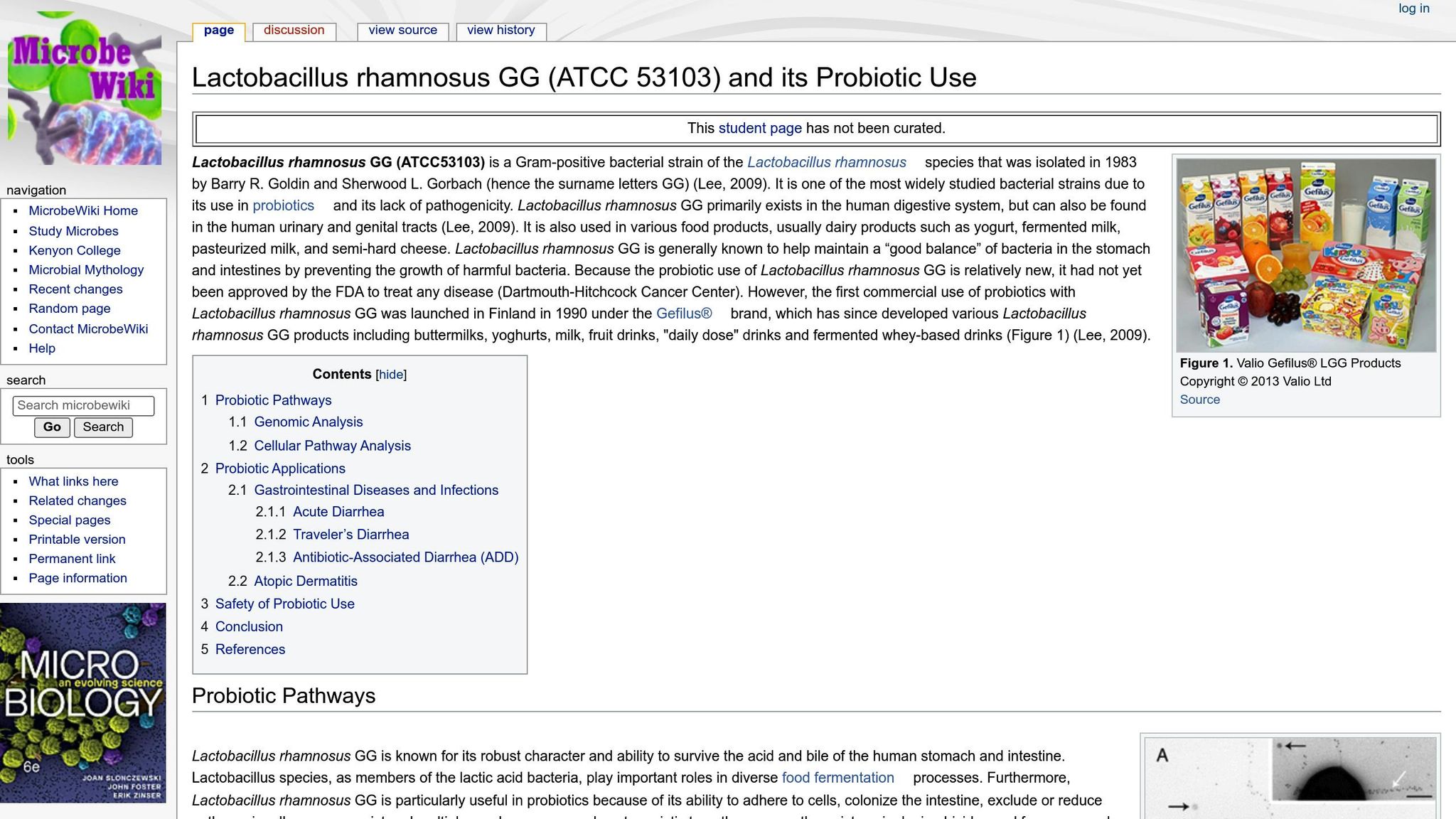
Lacticaseibacillus rhamnosus GG is one of the most thoroughly researched probiotic strains globally, making it a trusted option for pregnant and breastfeeding women. Decades of studies support its benefits for both mothers and their babies.
Benefits for Mothers and Babies
L. rhamnosus GG provides advantages that benefit both mom and baby. For pregnant women, it supports gut health, strengthens the immune system, and promotes vaginal health - three areas that often need extra care during pregnancy [3][2].
What’s particularly noteworthy is how this strain can pass beneficial bacteria to infants through breast milk. When nursing mothers take L. rhamnosus GG, it helps establish a healthy gut microbiome in their babies. This can lead to fewer instances of colic and better digestive comfort for the infant [3][1].
Another key feature? Its ability to withstand stomach acid and bile, ensuring it reaches the intestines intact [4]. These benefits are backed by substantial clinical research.
Scientific Support and Clinical Studies
Extensive studies have confirmed the role of L. rhamnosus GG in improving glucose metabolism, gut health, and immune function in both mothers and infants [3][5]. Research also suggests that this probiotic may reduce the risk of certain allergies in infants and enhance mothers' digestive health [3][5]. When combined with other strains like Bifidobacterium lactis, studies consistently report no significant side effects [5]. This strong safety record makes it a reliable choice during pregnancy and breastfeeding.
Safety for Pregnancy and Breastfeeding
Safety is a major concern during pregnancy and nursing, and L. rhamnosus GG delivers on this front. Clinical trials report no significant adverse effects when used during these stages [5][2]. The mild side effects, if any, are generally limited to minor gastrointestinal or vaginal changes [6]. Because of its strong safety profile and proven benefits, healthcare providers often recommend this strain for mothers and their babies [3][2]. Still, it’s always wise to consult with a healthcare professional before introducing any new supplement.
Dosage and How to Use It
Getting the dosage right maximizes the benefits of L. rhamnosus GG. A typical effective dose ranges from 10 to 30 billion CFU per serving for mothers, with smaller, adjusted doses for infants [4][7]. Consistency is key - daily use is essential for the best results [1][4]. When choosing a supplement, look for products that specifically name Lacticaseibacillus rhamnosus GG, clearly state the CFU count, and have undergone third-party quality and safety testing [1][2].
2. Lactobacillus fermentum CECT5716
Lactobacillus fermentum CECT5716 is a probiotic shown to help reduce lactational mastitis in breastfeeding women. Its unique properties make it a helpful choice for supporting maternal health during lactation.
Benefits for Maternal and Infant Health
This particular strain is naturally found in human breast milk, making it a natural fit for promoting breast health and aiding in the development of a healthy gut microbiome for both mother and baby. It supports a balanced breast microbiome, which can lower the chances of recurrent mastitis. Additionally, it plays a role in improving maternal gut health - an important factor during the postpartum period.
Backed by Clinical Research
Studies have shown that taking Lactobacillus fermentum CECT5716 can reduce the recurrence of mastitis by 51% compared to a placebo [3]. This underscores its effectiveness in supporting lactation and fostering a healthier microbiome for both mothers and their infants.
Safe for Pregnancy and Breastfeeding
Research indicates that Lactobacillus fermentum CECT5716 is safe to use during pregnancy and breastfeeding. Some users may experience minor and temporary digestive discomfort, but overall, it is well-tolerated. As with any supplement, it’s important to check with your OB-GYN before starting, especially during pregnancy or lactation.
Dosage and Usage Guidelines
The recommended dosage ranges from 1 to 10 billion CFU per day. Starting daily supplementation in late pregnancy or early postpartum can help establish a healthy bacterial population and lower the risk of mastitis. When selecting a probiotic, look for products that clearly label the strain, include CFU counts, and offer clinical evidence to back their claims. Consistent, daily use at the appropriate dosage can help maintain a healthy balance of bacteria throughout pregnancy and breastfeeding.
3. Lactobacillus reuteri DSM 17938
Lactobacillus reuteri DSM 17938 is one of the most extensively researched probiotic strains for infants. It's particularly known for helping reduce colic and supporting a healthy gut microbiome. These benefits not only address immediate discomfort but also contribute to better digestive health in the long run.
Benefits for Mothers and Infants
This strain has shown remarkable results in easing infant colic. Clinical studies reveal that babies given this probiotic can experience up to a 50% decrease in daily crying within just one week [3]. Beyond soothing colic, it promotes better digestive and immune health during a critical stage of development. Some research also hints at maternal supplementation improving gut health and immune function, which may enhance the quality of breast milk [3].
Backed by Clinical Evidence
Scientific studies strongly support the use of L. reuteri DSM 17938 for managing colic. A key randomized controlled trial demonstrated that supplementation significantly reduced colic symptoms, with noticeable improvements within the first week of use [3].
Safety for Pregnancy and Breastfeeding
Research and expert opinions suggest that L. reuteri DSM 17938 is generally safe for pregnant and breastfeeding women [2] [6]. Side effects, when they occur, are usually mild and temporary, such as gas or bloating. However, individuals with weakened immune systems or specific health conditions should consult their healthcare provider before using any probiotic supplement.
Dosage and Usage Recommendations
For infants, the recommended dose is between 100 million and 1 billion CFU daily, typically administered as oral drops. A daily dose of 5 drops from birth is suggested to help alleviate colic [3] [1]. Pregnant and breastfeeding mothers can choose higher CFU formulations available in capsules or sachets, depending on their needs [1] [4]. Always follow the product's instructions and consult a healthcare provider for tailored advice.
Lactobacillus reuteri DSM 17938 stands out as a trusted option for reducing colic and supporting digestive health, backed by solid scientific research and clinical use.
sbb-itb-1bbfe7f
4. Bifidobacterium longum BB536

Bifidobacterium longum BB536 is a well-researched probiotic known for its positive impact on maternal and infant health. Unlike many other strains, BB536 offers specific benefits, such as improving breast milk composition and potentially reducing the risk of allergies. By promoting a balanced gut microbiota, it supports digestion, alleviates gastrointestinal discomfort, and strengthens immune function - essential factors during pregnancy for better nutrient absorption and overall well-being.
Benefits for Mothers and Babies
Taking BB536 during pregnancy and breastfeeding can help create a healthy gut microbiome in infants. This supports their immune system development and may lower the risk of allergies and digestive issues. Beneficial bacteria are naturally passed to the baby during birth and through breastfeeding, and BB536 has been linked to improvements in breast milk composition, enhancing its nutritional profile [3].
Backed by Science
Studies show that BB536 can positively influence the gut microbiota and immune response of infants when mothers take it during pregnancy and lactation. Research highlights improvements in maternal gut health, better immune markers in infants, and a possible reduction in allergic conditions in children. Because of these findings, many perinatal health experts recommend BB536 as a valuable addition to maternal and infant gut health routines [4, 5].
Safety Considerations
BB536 is generally regarded as safe for use during pregnancy and breastfeeding, with minimal side effects like mild gastrointestinal discomfort. However, it’s always a good idea to check with your OB-GYN before starting any new supplement during this critical time [3, 8].
How to Use BB536
Clinical research often supports doses of 1 to 10 billion CFU per day for BB536 [3]. Always follow the instructions on the product label and consult your OB-GYN for personalized advice. When choosing a probiotic, ensure the product explicitly lists BB536, has undergone third-party testing, and is designed for use during pregnancy and breastfeeding [5, 9]. Many multi-strain formulas include BB536 alongside other beneficial probiotics for a more comprehensive approach.
For a synbiotic option with clinical backing, consider Begin Rebirth RE-1™ (https://beginrebirth.com). This formulation includes carefully selected probiotic strains designed to restore gut balance and support immune health during pregnancy and breastfeeding. It’s a great choice to set the foundation for optimal maternal and infant wellness, leading into the next recommended strain in our list.
5. Bifidobacterium infantis EVC001
Bifidobacterium infantis EVC001 is a probiotic strain that thrives in the infant gut when introduced early. What makes it stand out is its ability to efficiently digest human milk oligosaccharides (HMOs) - the complex sugars found in breast milk [3]. This unique trait helps promote healthy gut development in infants.
Benefits for Maternal and Infant Health
During pregnancy and breastfeeding, B. infantis EVC001 plays a role in maintaining a balanced gut microbiome. This balance can aid digestion, support immune health, reduce inflammation, and even lower the risk of gestational diabetes [2][3].
For infants, the strain’s ability to metabolize HMOs gives it an edge over other probiotics. It colonizes the gut of breastfed babies effectively, aiding in the digestion of HMOs while encouraging the growth of beneficial bacteria. Studies suggest that this colonization supports immune system development and may reduce the likelihood of colic. Additionally, infants supplemented with B. infantis EVC001 tend to have fewer harmful bacteria in their gut, which could lower their risk of developing allergies or eczema later in life [3].
Backed by Clinical Research
Scientific studies highlight the benefits of early supplementation with B. infantis EVC001. These include sustained colonization for up to a year, improved gut health markers, reduced inflammation, and even a potential reduction in eczema severity among high-risk infants [3].
Safe for Pregnancy and Breastfeeding
Research confirms that B. infantis EVC001 is safe for use during pregnancy and breastfeeding. Reported side effects are minimal, with only mild digestive discomfort noted in rare cases [2][6].
Dosage and Usage Recommendations
Clinical trials suggest a daily dosage of 1 to 10 billion CFU for effectiveness [4][7]. When selecting a supplement, it’s important to ensure the product clearly identifies the EVC001 strain, as its benefits are strain-specific. Look for supplements with transparent labeling, third-party testing, and strong clinical evidence. Starting supplementation during pregnancy or shortly after birth can be especially beneficial for establishing a healthy gut microbiome in infants [3].
For example, Begin Rebirth RE-1™ offers a synbiotic supplement specifically designed to support gut health and immune function during pregnancy and breastfeeding. Its inclusion of B. infantis EVC001 highlights the targeted benefits of this strain, which will be explored further in the upcoming strain comparison.
Strain Comparison Chart
Choosing the right probiotic strain during pregnancy and breastfeeding can make a big difference. Each of the five strains listed below offers specific benefits, and comparing them side-by-side can help you find the one that best fits your needs.
Here's a breakdown of the key differences between these clinically studied strains to help guide your decision:
| Strain | Primary Benefits | Health Concerns Addressed | Research Quality | Typical Dosage | Best For |
|---|---|---|---|---|---|
| L. rhamnosus GG | Supports metabolic, digestive, and immune health | Gestational diabetes, digestive issues, immune support | Backed by extensive clinical studies – most researched strain for pregnancy [3] | 10–30 billion CFU daily [1][5] | Mothers focused on gestational diabetes or general health |
| L. fermentum CECT5716 | Reduces recurrence of mastitis | Lactational mastitis and breast health | Clinical trials specific to breastfeeding women [3] | As directed by product formulation | Breastfeeding mothers with a history of mastitis |
| L. reuteri DSM 17938 | Helps manage colic symptoms in infants | Infant colic and digestive discomfort | Clinical studies on infant gut health [3] | As per product guidelines | Mothers of colicky infants |
| B. longum BB536 | Promotes infant gut microbiota development and immune support | Infant immune development and microbiome balance | Clinical research on infant development [3] | 1–10 billion CFU daily [3][4] | Supporting infant immune health |
| B. infantis EVC001 | Encourages long-term gut colonization | Long-term infant gut health | Studies show persistent colonization up to one year [3] | 1–10 billion CFU daily [3] | Establishing early infant gut health |
This chart simplifies the comparison of strains, helping you align their benefits with your specific health goals.
Among these, L. rhamnosus GG stands out for its robust evidence supporting gestational diabetes management and overall wellness. In contrast, L. fermentum CECT5716 targets mastitis prevention, making it ideal for breastfeeding mothers. For infant-focused benefits, L. reuteri DSM 17938 and B. infantis EVC001 address colic and gut health, respectively, while B. longum BB536 supports immune system development in infants. All these strains are generally considered safe during pregnancy and breastfeeding, though mild digestive discomfort may occasionally occur [2][5][6].
When selecting a probiotic, it’s essential to choose products that clearly list the strain designations, as the benefits are specific to each strain and not just the species. For those seeking a comprehensive option, Begin Rebirth RE-1™ offers a 500 billion CFU formulation designed to support both pregnancy and breastfeeding. Matching your health priorities with the strain benefits outlined above can help you achieve the best outcomes during this important time.
Conclusion
Selecting the right probiotic can make a meaningful difference in the health of both mothers and their babies. As outlined earlier, Lacticaseibacillus rhamnosus GG, Lactobacillus fermentum CECT5716, Lactobacillus reuteri DSM 17938, Bifidobacterium longum BB536, and Bifidobacterium infantis EVC001 each offers specific, clinically validated benefits for maternal and infant health concerns [3].
To recap the benefits: not all probiotics are created equal. L. rhamnosus GG supports glucose metabolism, L. fermentum CECT5716 helps prevent mastitis, L. reuteri DSM 17938 is effective for managing infant colic, while B. longum BB536 and B. infantis EVC001 play key roles in infant gut colonization and immune system development [3].
Safety remains a top priority during pregnancy and breastfeeding. Studies confirm that probiotics are generally safe for healthy pregnant and lactating women, with only occasional mild digestive symptoms reported [5][6].
"As with any dietary supplement or new health protocol contemplated during pregnancy or lactation, we recommend speaking with your physician or obstetrician before you start consuming Begin Rebirth® RE-1™." – Begin Rebirth [8]
For a comprehensive solution, Begin Rebirth RE-1™ offers a synbiotic blend of prebiotics, probiotics, and postbiotics designed to support microbiome balance during pregnancy and breastfeeding. The microbes you share with your baby play a vital role in shaping their immune system and promoting long-term gut health [3].
Tailor your probiotic choice to meet your specific needs, whether you’re addressing digestive health, immune support, or concerns like mastitis or colic. Always consult your healthcare provider to ensure the best outcomes for you and your baby during this crucial time.
FAQs
Are probiotics safe to take during pregnancy and breastfeeding?
Yes, probiotics are generally safe for most pregnant and breastfeeding women. They can promote gut health, strengthen the immune system, and help alleviate common discomforts like bloating or digestive issues during these stages. That said, it’s always wise to consult your healthcare provider before adding any new supplement to your routine.
Begin Rebirth RE-1™ is a clinically-supported 3-in-1 eubiotic synbiotic crafted to help restore gut microbiome balance. It blends prebiotics, probiotics, and postbiotics, incorporating Human Origin Strains (HOSt™) to support gut and immune health. Designed for both short-term and long-term microbiome resets, this product offers a thoughtful approach for mothers looking to enhance their overall wellness.
What should I consider when choosing a probiotic for pregnancy and breastfeeding?
When choosing a probiotic during pregnancy or breastfeeding, it’s essential to prioritize strains that help maintain gut health, bolster the immune system, and alleviate common issues like digestive discomfort. Opt for options that are backed by clinical research and tailored to meet these specific needs.
For instance, probiotics featuring Human Origin Strains (HOSt™) are designed to help restore gut microbiome balance, promoting overall wellness during this crucial period. Additionally, selecting probiotics that include a blend of prebiotics, probiotics, and postbiotics can improve absorption and effectiveness, providing comprehensive support for both you and your baby.
Can taking probiotics while pregnant or breastfeeding benefit my baby’s long-term health?
Yes, using probiotics during pregnancy and while breastfeeding can have lasting health advantages for your baby. Probiotics contribute to maintaining a healthy gut microbiome, which is crucial for building a strong immune system and supporting overall health.
Clinically-supported synbiotics, such as those featuring Human Origin Strains (HOSt™), are specifically formulated to help restore gut balance and boost immune function. These products are an excellent option for mothers aiming to nurture their baby's health right from the start.