


Postbiotics offer a safer, non-living alternative to probiotics, showing promise in reducing viral infections and strengthening immunity. Unlike probiotics, postbiotics include inactivated bacteria and byproducts like short-chain fatty acids (SCFAs), which remain effective without live organisms. This stability makes them suitable for vulnerable groups, including children and older adults.
Key takeaways:
- Immune Boost: Postbiotics enhance mucosal immunity by increasing secretory immunoglobulin A (sIgA), trapping pathogens in the gut and airways.
- Clinical Evidence: Studies show reduced respiratory infections, shorter illness durations, and milder symptoms with strains like Lactobacillus plantarum L-137 and EpiCor™ yeast postbiotic.
- Safety and Convenience: Postbiotics don’t require refrigeration and avoid risks linked to live probiotics, making them accessible and safe.
Emerging research supports their role in managing viral infections, including respiratory illnesses like influenza and COVID-19. However, further studies are needed to refine formulations and dosing for broader applications.
What is a postbiotic? ISAPP educational video
Clinical Evidence: Postbiotics Against Viral Infections
Research highlights that postbiotics can help prevent and alleviate respiratory viral infections. These findings suggest that postbiotics may play a dual role in reducing the likelihood of infections and aiding recovery. Let’s dive into the studies that shed light on these effects.
Postbiotics and Respiratory Viruses
Clinical trials have shown that certain postbiotic strains can lessen the impact of respiratory viral infections. For instance, heat-treated Lactobacillus plantarum L-137 has been found to lower the incidence, duration, and severity of upper respiratory tract infections (URTI). This strain appears to work by stimulating type 1 interferon production, which boosts the body’s natural defense against influenza [4].
Another study involving 233 healthy children examined the effects of EpiCor™ yeast postbiotic over 84 days. Results showed that the group receiving the postbiotic had a 13% lower occurrence of cold and flu symptoms (64.6% compared to 74.2% in the placebo group). Additionally, they experienced a 21.5% increase in salivary secretory immunoglobulin A (sIgA) levels from baseline, compared to an 11.7% increase in the placebo group [5].
In a separate 12-week study, adults who took Lactobacillus paracasei BR-MCC1849 daily reported fewer colds and improved symptom scores compared to those on a placebo [1]. These findings align with additional evidence from both human and animal studies.
Study Results from Human and Animal Research
Beyond reducing symptoms, studies have documented noticeable changes in immune markers and viral loads. For example, higher levels of butyrate - a key postbiotic compound - have been linked to lower viral loads during influenza infection [3]. In animal studies, supplementation with short-chain fatty acids (SCFAs) has been associated with reduced lung viral loads and improved survival rates during infections caused by influenza and respiratory syncytial virus (RSV).
In animal models, formulations such as Pediococcus acidilactici K15 were shown to shorten fever duration and maintain immune markers during viral challenges [3][4]. These findings have paved the way for the development of postbiotic formulations tailored for clinical use.
Postbiotic Formulations in Practice
Various postbiotic formulations have been studied for their clinical applications. For example, heat-killed bacterial strains can stimulate immune cell growth and promote antibody production. One notable example is heat-treated L. plantarum L-137, which continues to support immune function even in its inactivated state [4].
Butyrate-producing postbiotics represent another promising category. Studies suggest they can reduce lung damage and improve survival during viral infections [3]. These compounds also help maintain the integrity of mucosal barriers and regulate inflammation during infections.
Another advantage of postbiotics is their safety profile, which is often better than live probiotics. Since they eliminate the risk of bacterial translocation or infection, postbiotics are particularly suitable for vulnerable groups like children, the elderly, and individuals with weakened immune systems [4][8].
Clinical outcomes from postbiotic supplementation include lower infection rates, faster recovery, and milder symptoms, all pointing to an improved immune response [4][5].
How Postbiotics Work in Immune Defense
This section dives into the science behind how postbiotics support immune defense, focusing on the mechanisms that make them effective against viral threats.
Immune Regulation and Anti-Inflammatory Effects
Postbiotics play a key role in balancing the immune system by influencing cytokine production, which helps the body respond effectively to viral challenges without overreacting [4][9]. For instance, the Human Origin Strain (HOSt®) Lactobacillus paracasei BR-MCC1849 has been shown to regulate cytokine signals, maintaining a healthy balance of inflammation [1]. Similarly, heat-killed Lactobacillus plantarum and Lactobacillus pentosus have demonstrated the ability to stimulate the growth of peripheral blood mononuclear cells in clinical studies [4].
Postbiotics also work to reduce pro-inflammatory cytokines while boosting anti-inflammatory mediators, promoting recovery and repair. This dual action may explain why clinical trials have observed that children taking postbiotics experienced milder cold and flu symptoms, without the risks associated with excessive inflammation [5]. Now, let’s look at the specific bioactive compounds responsible for these effects.
Active Components in Postbiotics
The immune-boosting power of postbiotics comes from their unique bioactive compounds. Short-chain fatty acids (SCFAs), such as butyrate and acetate, strengthen immunity by supporting T cell regulation and reinforcing cellular barriers [9][7]. Bacteriocins, on the other hand, directly fight off pathogens by working alongside organic acids to inhibit viral replication [9][7].
Additionally, bacterial cell wall fragments help prime the immune system to quickly recognize and respond to viral threats. Together, these components form a robust defense system: SCFAs provide energy for epithelial cells and aid in barrier repair, while bacteriocins and organic acids create an environment that hinders viral activity. These bioactive compounds work in harmony to enhance mucosal defenses, as explained in the following section.
Effects on Mucosal Immunity
Postbiotics also strengthen mucosal immunity, which serves as the body’s first line of defense against viruses, particularly in the respiratory tract. They achieve this by increasing the production of secretory immunoglobulin A (sIgA), a key marker of immune protection [5].
In a clinical study involving 233 healthy children, supplementation with the EpiCor yeast postbiotic led to a 21.5% rise in sIgA levels after 84 days, compared to an 11.7% increase in the placebo group [5]. This boost in mucosal immunity translated to noticeable benefits: children were 1.73 times less likely to need cold and flu medications and reported milder symptoms like sore throats and muscle aches [5].
Postbiotics also enhance the production of tight junction proteins and mucins, which fortify the epithelial barrier, making it harder for viruses to enter the body [9]. Additionally, they influence the gut-lung axis, a connection that impacts immune responses in the lungs [2][9]. By regulating inflammation and improving respiratory defenses, postbiotics provide systemic protection against viral infections.
These combined benefits in mucosal immunity help explain why postbiotics have consistently delivered positive outcomes in clinical trials, reducing both the likelihood and severity of infections.
sbb-itb-1bbfe7f
Clinical Applications and Research Needs
The expanding research on postbiotics in managing viral infections highlights both their potential applications and areas where more investigation is needed.
Clinical Trial Results and Applications
Clinical trials suggest that postbiotics can help reduce the frequency and severity of viral infections. For example, HK L-137 has been shown to lower the incidence of the common cold in a dose-dependent manner (p for trend = 0.016). Other studies, such as the EpiCor trial, report reduced symptom severity and less reliance on medication [2] [5].
Postbiotics also show promise beyond respiratory illnesses. Early findings suggest they may help mitigate symptoms and aid recovery from enteroviruses, noroviruses, and even SARS-CoV-2 [1] [4] [6]. Additionally, polyvalent bacterial lysates - another form of postbiotics - have been linked to immune benefits, such as the maturation of dendritic cells and increased natural killer cell activity in individuals with recurrent respiratory infections [10]. These findings naturally raise questions about their safety, particularly for vulnerable populations.
Safety in At-Risk Populations
Meta-analyses confirm that postbiotics are well-tolerated, especially in children, with no reports of serious adverse effects [2] [5]. For elderly and immunocompromised individuals, postbiotics offer a safer alternative to live microorganisms, removing the risk of infection associated with probiotics.
In critically ill patients, postbiotics have shown potential in reducing the risk of late-onset sepsis, with rates dropping from 16.3% to 13.9% among those receiving treatment [2]. These findings encourage healthcare professionals to consider postbiotics as part of broader immune health strategies for those at higher risk of viral infections. However, addressing safety concerns also highlights the need for further research into their long-term use.
Research Gaps and Future Studies
While current trials provide encouraging results, more research is needed to refine dosing and formulation strategies. Many studies have small sample sizes and short durations, limiting conclusions about long-term benefits [1] [2] [5].
Key areas for future research include determining optimal dosing protocols, identifying effective treatment durations, and pinpointing the most potent postbiotic formulations for specific viral infections. It’s particularly important to investigate which bioactive components - like bacteriocins, short-chain fatty acids, or other metabolites - are most responsible for antiviral effects [1] [2] [5].
Further studies should delve into how postbiotics interact with the immune system and microbiome. Research into combination therapies, such as using postbiotics alongside vaccines or antiviral drugs, could uncover additional benefits. Other areas of interest include exploring viral clearance rates, immune memory formation, and the long-term health outcomes of postbiotic supplementation [1] [2] [5].
Finally, as the regulatory framework for postbiotics continues to evolve, there’s a pressing need for standardized definitions, rigorous testing, and clear labeling to ensure consistent quality and efficacy of these products [2] [5].
Adding Postbiotics to Immune Health Plans
Drawing from clinical studies, incorporating postbiotics into daily routines offers a practical way to enhance immune health. Research shows that regular supplementation with postbiotics can bolster the body’s defenses against viral infections. This leads naturally to exploring how synbiotics - an advanced combination of gut-health boosters - can further support immune resilience.
Synbiotics for Immune Support
Synbiotics blend prebiotics, probiotics, and postbiotics to deliver a powerful combination for immune health. Studies have shown that they can reduce the severity of respiratory infections and are safe for use, even among vulnerable groups [3][4][8].
A standout example of this synergy is found in the formulation of Begin Rebirth RE-1™.
Begin Rebirth RE-1™ Features and Benefits
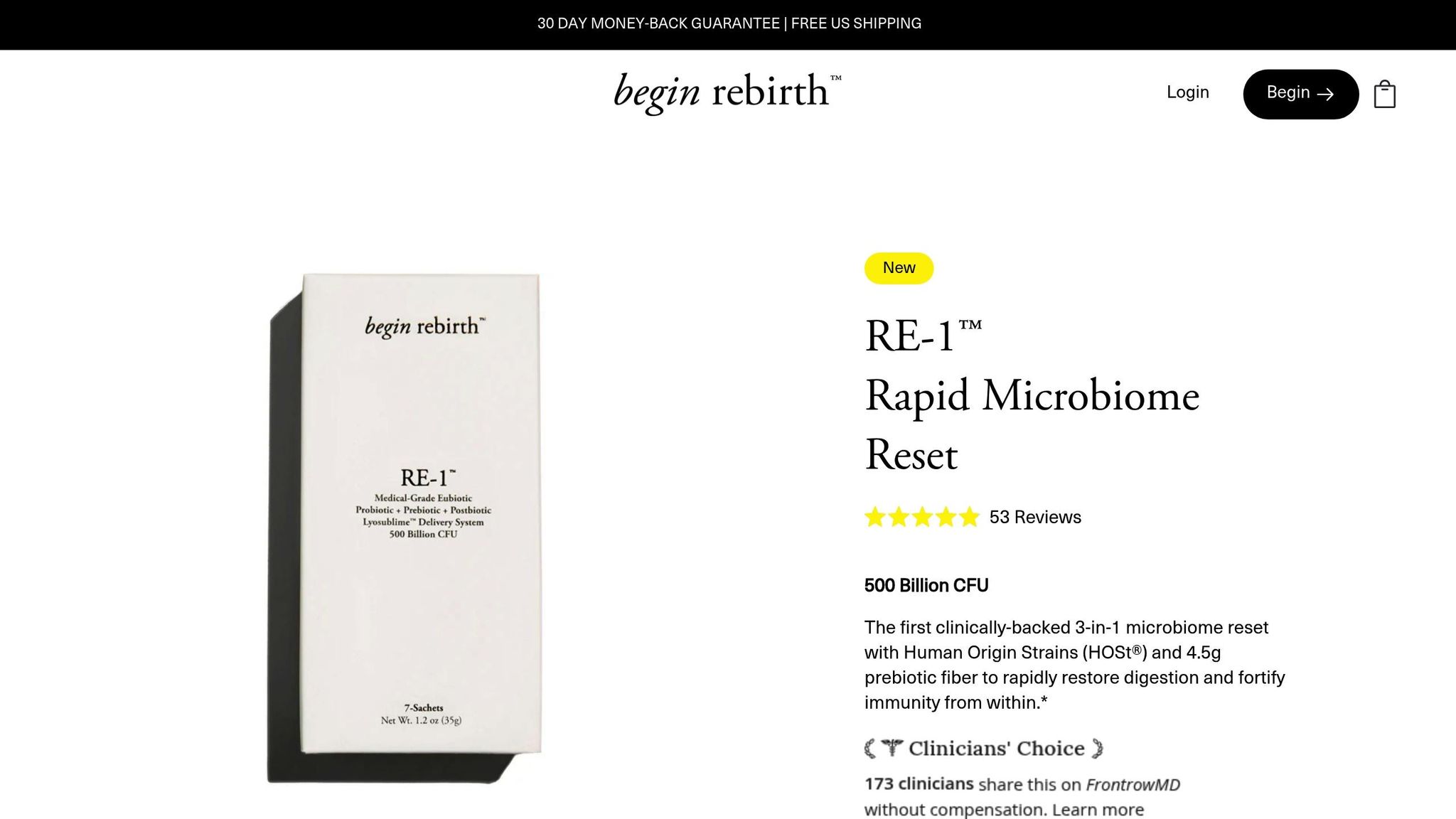
Begin Rebirth RE-1™ is a 3-in-1 synbiotic designed to optimize gut and immune health. It combines prebiotics, probiotics, and postbiotics, delivering 500 billion CFU per serving through its proprietary Lyosublime™ delivery system. This formulation includes Lactobacillus paracasei BR-MCC1849, a strain known for enhancing immune signaling and helping to manage inflammation.
The product also features Human Origin Strains (HOSt™), which are specifically chosen to restore microbial balance disrupted by everyday stressors. These strains not only support gut health but also play a key role in maintaining primary immune functions.
What sets Begin Rebirth RE-1™ apart is its flexibility. It offers three dosing options:
- A 7-day intensive reset for quick microbiome restoration.
- A 4-week maintenance plan for ongoing support.
- A 3-month comprehensive protocol for full microbiome rebalancing.
This adaptability allows individuals to choose a plan that aligns with their health needs and immune goals.
Microbiome Reset for Viral Defense
Rebalancing the microbiome is a proven strategy for strengthening immune defenses. A targeted microbiome reset works by replenishing beneficial bacteria and delivering postbiotic metabolites that provide immediate immune support. Begin Rebirth RE-1™ includes 4.5 grams of prebiotic complex to nourish the gut’s beneficial flora, which can improve resistance to viral infections.
Clinical research backs this approach. In a 7-day study, 87% of participants reported fewer allergies and infections after using RE-1™ [1]. Over a 12-week period, the postbiotic strain Lactobacillus paracasei BR-MCC1849 demonstrated its ability to enhance resistance to common colds. Additionally, Bifidobacterium longum BR-BB536 was shown to boost antibody levels after vaccination and improve white blood cell activity [1].
This strategy is particularly relevant for the 80% of urban dwellers who have experienced gut disturbances in the last month. Such disturbances may signal a lack of essential Human Origin Strains, making products like Begin Rebirth RE-1™ an important tool for restoring balance [1].
Summary: Postbiotics and Viral Infections
Research shows that postbiotics can help reduce respiratory infections and support the immune system without relying on live microorganisms. For example, a meta-analysis involving over 4,800 children found a noticeable drop in respiratory tract infections when postbiotics were used[3]. This highlights their potential in promoting health.
On a biological level, postbiotics work in several ways. Bacteriocins, for instance, block viral enzymes and prevent viruses from entering cells. Short-chain fatty acids (SCFAs) enhance lung immunity and limit harmful inflammatory neutrophils. Postbiotics also activate dendritic cells and lymphocytes, which boost the production of protective IgA antibodies[3][4].
These benefits are particularly important for vulnerable groups. Unlike probiotics, postbiotics don’t involve live organisms, which means they’re safer for immunocompromised individuals, children, and premature infants who might be at risk of infections from live microbes[4][8].
Clinical studies further back these findings. For instance, heat-killed Lactobacillus plantarum L-137 has been shown to reduce the incidence, duration, and severity of upper respiratory tract infections (URTIs). Meanwhile, animal studies reveal that SCFAs can lower lung damage and viral loads[3][4]. However, there’s still a need for clearer definitions and standardized dosing to optimize their use.
The evidence strongly supports postbiotics as a tool in viral defense. They are safe, effective, and stable, making them a practical alternative for immune support, especially for those who want to avoid live microbial supplements. As research progresses and uncovers more antiviral compounds within postbiotics, their role in preventive healthcare is expected to grow further[3][4].
FAQs
What makes postbiotics different from probiotics when it comes to supporting the body during viral infections?
Postbiotics and probiotics both contribute to better health, but they do so in unique ways. Probiotics are live microorganisms that, when taken in sufficient amounts, interact directly with the gut microbiome to provide health benefits. Postbiotics, on the other hand, are the beneficial byproducts or metabolites created by probiotics during fermentation. Unlike probiotics, they don’t rely on live bacteria to deliver their benefits.
Studies indicate that postbiotics can play a role in supporting the immune system and maintaining a balanced gut environment - especially valuable when the body is managing viral infections. Begin Rebirth RE-1™ brings together prebiotics, probiotics, and postbiotics in a clinically-supported formula designed to help restore gut health and strengthen immune defenses.
Which postbiotic strains have been shown to help reduce respiratory viral infections?
Certain postbiotic strains show promise in boosting immune health and lessening the impact of respiratory viral infections. They achieve this by improving the balance of the gut microbiome and encouraging a more robust immune response - key factors in managing illnesses such as SARS-CoV-2 and other respiratory viruses.
Research indicates that postbiotics derived from select probiotic strains can help regulate inflammation, enhance respiratory function, and aid in recovery. These findings underscore the role postbiotics can play in strengthening immunity during viral outbreaks.
Are postbiotics safe for children and the elderly? What are the potential risks or side effects?
Postbiotics are widely regarded as safe for most individuals, including groups like children and the elderly. That said, just like with any supplement, individual reactions can differ. Some people might experience mild digestive discomfort, especially if they have specific health conditions or sensitivities.
If you or someone in your care falls into a vulnerable group, it’s wise to check with a healthcare professional before introducing postbiotics - or any new supplement - into your routine. This ensures it’s a good fit for your unique health requirements.