

Your gut health directly impacts your immune system, especially for athletes. Over 70% of your immune cells reside in your gut, where a balanced microbiome helps reduce inflammation, strengthen the intestinal barrier, and support recovery. However, intense training can disrupt this balance, leading to "leaky gut", inflammation, and a weakened immune system.
Key takeaways:
- Exercise and Gut Health: Moderate exercise improves gut bacteria diversity, while high-intensity training (above 70% VO2max) can harm the gut lining and suppress immunity.
- Symptoms to Watch: Digestive issues (bloating, nausea) and frequent illnesses may signal gut-immune imbalance.
- Nutrition Tips: Eat fiber-rich foods, carbohydrates during training, and include prebiotics, probiotics, and postbiotics to support gut health.
- Hydration: Proper hydration with electrolytes and carbs protects the gut lining during prolonged exercise.
- Supplements: Products combining probiotics, prebiotics, and postbiotics can reduce gut permeability and improve immune resilience.
Dr Neil Williams: Keeping athletes healthy: Importance of nutrition strategies & the gut microbiota
The Gut-Immune Connection
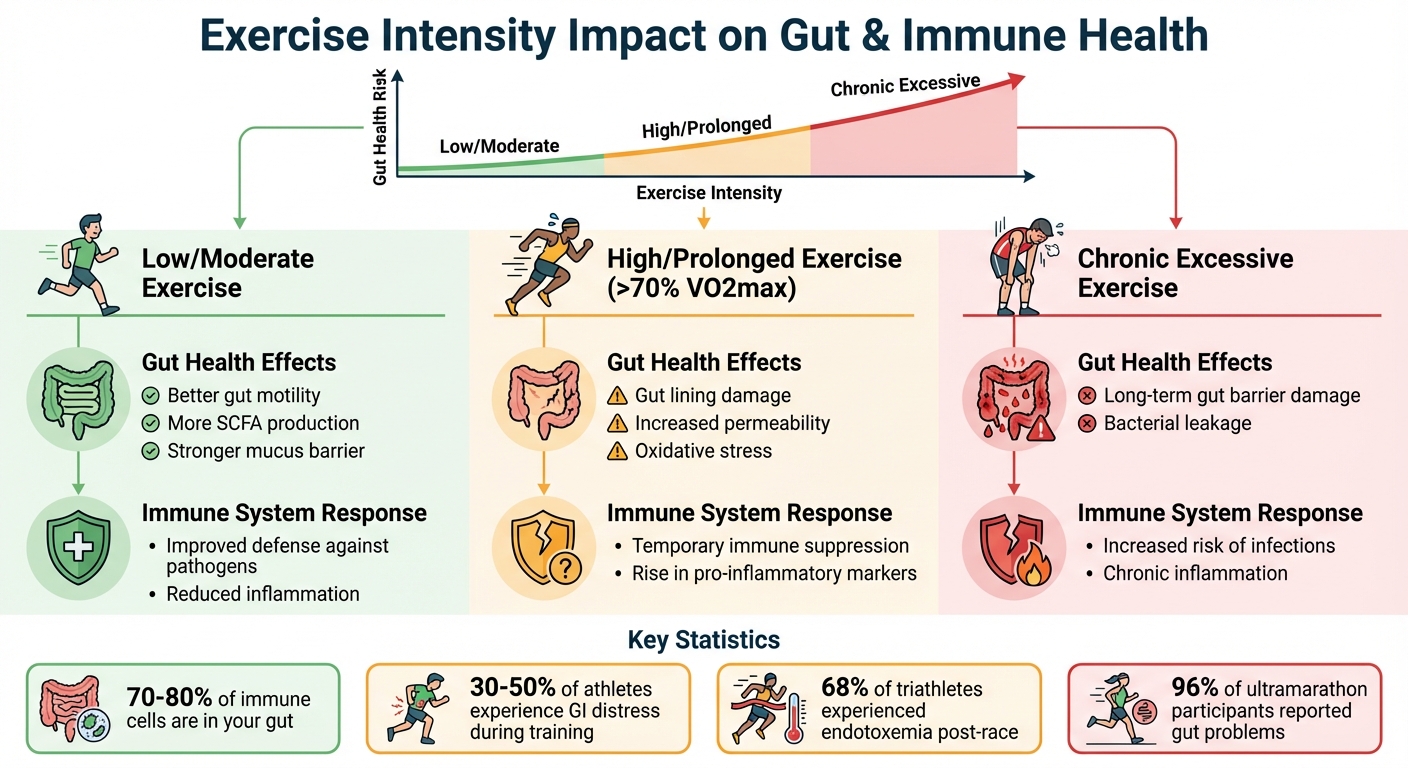
How Exercise Intensity Affects Gut Health and Immune Function in Athletes
What the Gut Microbiome Does
Your gut microbiome is home to an astonishing 40 trillion to 100 trillion microorganisms, including bacteria, archaea, viruses, and fungi [4][6]. Among these, there are at least 4 million different bacterial types living in your digestive system [7].
These bacteria perform critical tasks, like fermenting fiber into short-chain fatty acids (SCFAs) that help reduce inflammation, strengthen the intestinal barrier, and even supply about 10% of your body's energy needs [2][4]. Specialized receptors, called Toll-like receptors (TLRs), recognize these beneficial bacteria and play a role in developing epithelial cells, which protect the gut lining [1]. These processes highlight how essential the gut is in regulating immunity.
How the Gut Controls Immunity
Did you know that 70–80% of your immune cells are housed in your gut [4]? This is because your gut microbiome helps build Gut-Associated Lymphatic Tissue (GALT), which serves as the backbone of your mucosal immune system.
But the gut’s influence doesn’t stop there. Through the "common mucosal immune system", the gut microbiome also impacts immunity in other areas, like your respiratory tract [8]. When your gut bacteria are in harmony, they signal the immune system to fight off harmful invaders, maintain a healthy gut environment, and keep pathogens from crossing the intestinal barrier. However, when this balance is thrown off, your immune system can falter, leaving you vulnerable. Keeping your gut microbiome balanced is essential for both local and whole-body immune health.
How Exercise Affects Gut and Immune Health
Exercise and gut health share a fascinating relationship, often described as a "J-curve." Moderate exercise is great for your gut - it improves microbial diversity and boosts beneficial bacteria like Bifidobacterium, Lactobacilli, and Akkermansia [3][2]. This, in turn, strengthens your gut barrier, reduces inflammation, and enhances the protective mucus layer.
However, pushing your body too hard can backfire. High-intensity exercise, especially when it exceeds 60–70% of your VO2max, can lead to problems. Blood flow is redirected from the gut to your muscles, which can cause intestinal ischemia, damage to the gut lining, and increased permeability (commonly known as "leaky gut") [3][2][6]. For example, a study on long-distance triathletes found that 68% experienced mild endotoxemia - a condition where bacterial toxins enter the bloodstream - right after their race. This was accompanied by a staggering 27-fold increase in the pro-inflammatory cytokine IL-6 [2].
The numbers reveal just how common these issues are. Between 30% and 50% of athletes frequently deal with gastrointestinal distress during training or events [3]. In one 161 km ultramarathon, 96% of participants reported gut problems, and 35.6% of those who dropped out cited these issues as the main reason [6]. Clearly, gut health isn't just a matter of overall well-being; it plays a direct role in athletic performance and endurance.
Here’s how exercise intensity impacts gut and immune health:
| Exercise Intensity | Effect on Gut Health | Immune System Response |
|---|---|---|
| Low/Moderate | Better gut motility, more SCFA production, stronger mucus barrier | Improved defense against pathogens, reduced inflammation |
| High/Prolonged (>70% VO2max) | Gut lining damage, increased permeability, oxidative stress | Temporary immune suppression, rise in pro-inflammatory markers |
| Chronic Excessive | Long-term gut barrier damage, bacterial leakage | Increased risk of infections, chronic inflammation |
Striking the right balance with exercise intensity is crucial - not just for preserving gut health but also for keeping your immune system in top shape, especially during rigorous training.
Signs of Gut-Immune Problems in Athletes
Digestive and Immune Symptoms to Watch For
Your gut health can directly affect your performance, and certain digestive and immune symptoms are clear indicators of an imbalance. Digestive issues like nausea, vomiting, stomach pain, reflux, bloating, cramping, diarrhea, or constipation suggest problems with gut permeability. On the immune side, frequent colds, sore throats, and congestion are common red flags. Beyond these, systemic signs such as slow muscle recovery, persistent fatigue, a lack of motivation, and difficulty making decisions often point to chronic inflammation.
The impact on performance is undeniable. For instance, during ultra-endurance events, 17% of runners in a 67-km race reported upper GI issues, and that number jumped to 47% in a 160-km (100-mile) race [2]. When your gut and immune systems are out of sync, you might notice slower race times, reduced endurance, and a drop in exercise efficiency.
Recognizing these symptoms is the first step in understanding how your training and lifestyle choices can influence gut health.
Training and Lifestyle Factors That Harm Gut Health
Certain training and lifestyle habits can take a toll on your gut and immune system. High-intensity workouts, especially those above 70% VO2max lasting more than 90 minutes, redirect blood flow from the gut to your muscles, leading to intestinal ischemia. Poor sleep further disrupts immune function, and your gut microbiota may need up to 72 hours to recover after intense exercise. Dehydration worsens these effects by reducing blood flow to the gut, increasing the risk of a leaky gut. Overusing NSAIDs can also damage your intestinal lining and disturb the balance of your gut microbiome.
Diet plays a crucial role, too. A diet heavy in animal protein and saturated fats can promote harmful fermentation in the gut, while not eating enough carbohydrates during high-volume training can boost inflammatory stress, negatively impacting recovery and performance.
Understanding how these factors influence your gut health makes it easier to identify and address potential problems early.
How to Track Your Symptoms
Keeping a detailed symptom log can help you spot patterns and triggers before they derail your training. Track the severity and frequency of symptoms like bloating, cramping, nausea, or diarrhea alongside your training intensity and duration. Pay close attention to sessions that last over an hour or involve high-intensity effort. Monitoring your bowel habits using tools like the Bristol Stool Scale can also provide insights - slower transit times may indicate a decline in beneficial bacteria and a reduced production of short-chain fatty acids.
Additionally, note any minor illnesses, such as colds or sore throats, as these can reflect your immune system's health. Correlating these symptoms with specific training phases - whether you're in preparation, competition, or recovery - can guide adjustments to your training, nutrition, and recovery strategies, helping you maintain peak performance.
Nutrition for Gut and Immune Health
Carbohydrates and Fiber for Gut Health
The carbohydrates you consume play a crucial role in maintaining your gut health. They help protect the gut barrier and provide energy for beneficial bacteria that support your immune system. Fiber, found in fruits, vegetables, and whole grains, is especially important. When fermented by prebiotic-rich foods like garlic, yams, asparagus, bananas, carrots, flax seeds, and chia seeds, fiber produces short-chain fatty acids (SCFAs). These SCFAs fuel intestinal cells, reduce inflammation, and strengthen the gut barrier.
"Inadequate habitual carbohydrate intake increases the proinflammatory stress response to prolonged, continuous strenuous exercise." - Riley L Hughes, Department of Food Science and Human Nutrition, University of Illinois [3]
Certain foods can further enhance gut health. For example, cocoa fibers may help prevent upper respiratory infections and gastrointestinal issues after intense exercise. Resistant starch - found in foods like legumes, green bananas, and cooled potatoes - improves fat oxidation and strengthens the gut lining.
Adjust your carbohydrate intake based on your training intensity. During high-volume training, not eating enough carbs can increase inflammation, hinder recovery, and weaken immune function. While low-fiber diets may be used temporarily before competitions to avoid digestive issues, maintaining a high-fiber diet over time is essential for gut health. It helps prevent exercise-related endotoxemia and supports overall performance and recovery.
Let’s now explore how polyphenol-rich foods can further enhance your gut and immune health.
Adding Polyphenol-Rich Foods
Polyphenol-rich foods offer strong anti-inflammatory and antioxidant benefits, which are vital for supporting the gut microbiome and immune resilience. Interestingly, most polyphenols aren’t absorbed in the small intestine but travel to the colon, where they directly interact with gut bacteria.
"A high proportion of ingested polyphenols from fruits (such as dates, raisins, and bananas), vegetables, and other plant foods pass through the small intestine unabsorbed and reach the colon exerting anti-inflammatory, antiviral, antioxidative, and immune cell signaling effects that may enhance metabolic recovery." - Gerardo Miranda-Comas, MD [4]
To reap these benefits, include foods like berries, dates, raisins, dark cocoa, and a variety of vegetables in your daily diet. These polyphenols reduce reactive oxygen species (ROS) and inflammatory markers, helping to prevent macromolecule damage caused by intense training. They also support faster recovery after workouts. Additionally, polyphenol-rich diets promote greater microbial diversity, a key marker of fitness in professional athletes.
Variety is key - eating a wide range of plant foods ensures your gut bacteria receive different types of polyphenols, enhancing metabolic recovery and overall gut health.
With these nutritional strategies in place, staying hydrated is the next critical step to maintaining gut and immune health during intense exercise.
Staying Hydrated and Balanced
Hydration is essential for protecting the gut lining, especially during high-intensity exercise. Without proper hydration, the gut lining can become compromised, leading to increased permeability and inflammation.
What you drink matters. During exertional heat stress, fluids containing glucose or whey protein hydrolysate are more effective at preserving the gut barrier than plain water [2][3]. Incorporating strategies to absorb carbohydrates during training can improve endurance and reduce digestive issues like bloating and nausea. For sessions lasting over 60 minutes or exceeding 70% VO2max, hydration becomes even more critical to protect gut function.
After intense exercise, rehydrate with a mix of fluids, electrolytes, and carbohydrates. This combination helps restore gut microbiota balance and reduces systemic inflammation, ensuring a quicker recovery and better performance for your next session.
sbb-itb-1bbfe7f
Using Prebiotics, Probiotics, and Postbiotics
What Prebiotics, Probiotics, and Postbiotics Do
Probiotics are live microorganisms that help balance gut bacteria, prebiotics are non-digestible fibers that feed these beneficial microbes, and postbiotics are the byproducts of microbial activity that support gut immunity. Together, they create a synbiotic effect, enhancing the gut barrier and supporting immune responses [9][10].
For athletes, this combination is especially important because it tackles multiple aspects of gut health at once. From reinforcing the intestinal lining to managing immune responses during intense training, these biotics work together to optimize performance. Probiotics help by blocking harmful pathogens, producing vitamins, and improving gut barrier function [9][10]. Prebiotics, such as inulin, FOS, and GOS, selectively nourish beneficial bacteria, encouraging the production of short-chain fatty acids (SCFAs). These SCFAs fuel intestinal cells and help reduce inflammation [9][10]. Postbiotics, which include SCFAs, enzymes, and peptides, further enhance antimicrobial activity and strengthen intestinal immunity without needing live bacteria [10][14].
Research on Biotics for Athletes
The science behind biotics for athletes is compelling. For instance, supplementation with Bifidobacterium animalis subsp. lactis Bl-04 has been shown to lower the risk of upper respiratory illness by 27% over five months in active individuals. This is a critical benefit for athletes, as such illnesses are common during periods of heavy training and competition [13].
"Probiotics may indirectly improve the performance of an athlete by increasing the number of healthy training and competition days." - Maija Marttinen, DuPont Nutrition & Biosciences [11]
Synbiotics, which combine prebiotics and probiotics, have been found to be more effective than probiotics alone in reducing markers of intestinal permeability after high-intensity activities like triathlons [13][3]. Animal studies offer additional insights: treatment with Veillonella, a bacterium isolated from marathon runners, improved treadmill running time by 13% by converting exercise-induced lactate into propionate [11]. Certain probiotics, such as Bacillus coagulans, have also been linked to better absorption of branched-chain amino acids (BCAAs), aiding recovery [12].
For prebiotics to significantly impact gut microbiota, doses need to exceed 2.5 grams, and exercise programs must last longer than eight weeks to achieve lasting changes in gut composition [13][4].
These findings highlight the potential of a well-designed synbiotic supplement to support athletic performance.
Begin Rebirth RE-1™ for Athletes
These scientific discoveries emphasize the importance of targeted synbiotic solutions for athletes. Begin Rebirth RE-1™ is specifically formulated to address the unique gut health needs of athletes. This 3-in-1 synbiotic combines prebiotics, probiotics, and postbiotics into a single formula, delivering an impressive 500 billion CFU per serving, far exceeding standard dosages [15].
The formula includes Human Origin Strains (HOSt™), which are naturally suited to the human gastrointestinal tract and may colonize more effectively than generic strains [11]. Additionally, the Lyosublime™ system protects live cultures from stomach acid, ensuring they reach the gut intact. Each sachet provides 4.5 grams of fiber from GOS and inulin - enough to meet the threshold for positively altering microbial abundance [13].
Begin Rebirth RE-1™ is available in convenient 7-day and 4-week reset programs, making it easy to incorporate into different phases of training. The sachets don’t require refrigeration, which is ideal for athletes on the go. While some digestive benefits may be noticeable within 30 days, more profound microbiome changes develop over 90 days of consistent use [16]. By focusing on gut balance and immune support, Begin Rebirth RE-1™ transforms cutting-edge synbiotic science into a practical solution for athletes. It’s recommended to trial new biotic supplements during off-season or base training phases before race day to ensure they suit your digestive system [13].
Applying Gut-Immune Strategies Throughout Your Training Year
Tailoring your gut-immune strategies to match the demands of each training phase is crucial. Each phase stresses your body differently, so your nutrition and supplementation need to evolve accordingly. Here's how to approach each stage of your training year.
Base and Off-Season Phase
The off-season is your chance to strengthen your gut microbiome and build resilience. Focus on increasing dietary fiber through whole grains, fruits, and vegetables, aiming for at least 2.5 grams of fiber per serving [3]. A study on Japanese athletes revealed that during preparation phases, there were higher levels of beneficial gut bacteria like Bifidobacterium, Parabacteroides, and Alistipes compared to transition phases [5].
This phase is also an ideal time to consider a microbiome reset with products like Begin Rebirth RE-1™. Research shows that stable changes in the microbiome often require more than eight weeks of consistent intervention [4]. Starting a 4-week or 12-week program during this lower-intensity period allows your body to adapt without the added stress of competition.
You might also experiment with fasted training sessions during this time. These sessions can help improve your metabolic resilience, preparing your body for the demands of more intense training later [19].
Pre-Competition Phase
As your training intensity ramps up, so does the need for more focused gut-immune strategies. High-intensity training - often exceeding 70% VO₂max - can increase the risk of "leaky gut" and systemic inflammation [2]. To combat this, prioritize gut barrier protection and stress management. Boost your carbohydrate intake before and during intense sessions to support gut health and overall performance [13][18].
Probiotic supplementation becomes especially important during this phase. Illness rates among athletes during competition season can range from 35% to 38% [17]. Monitoring your heart rate variability (HRV) daily with a chest belt and smartphone app can help predict illness - watch for a sudden rise followed by a sharp drop, which might signal illness about a week in advance [17]. Some athletes also add bovine colostrum to their regimen during intense training blocks to support gut barrier integrity [17].
For optimal recovery and immune support, aim for 20–30 grams of protein per meal. This provides the amino acids necessary for tissue repair and antibody production [18]. Additionally, during the winter months, supplementing with 2,000–4,000 IU of Vitamin D daily can help maintain healthy immune function [18].
Competition and Race Day
On race day, your primary goal is to avoid gastrointestinal distress while maintaining strong immune defenses. GI symptoms affect up to 50% of endurance athletes during exercise [3].
"Training the gut to absorb exogenous energy substrates during exercise can improve endurance performance as well as provide a better experience for athletes."
- Matthieu Clauss, Researcher, Université Paris-Saclay [2]
To minimize gastric distress, avoid high-fiber and high-fat foods immediately before and during events [19]. Stick to simple, well-tested carbohydrate sources, consuming over 60 grams per hour during sessions lasting longer than two hours [18]. Stay hydrated by drinking 400–800 mL per hour (roughly 14–27 fl oz) of a 4–8% carbohydrate and sodium solution [19].
After the event, refuel within two hours with a mix of carbohydrates and protein - chocolate milk is a convenient option. This helps restore immune function and supports recovery [18]. Keep up with your biotic supplementation to maintain the gut barrier you've worked hard to build throughout your training.
Conclusion
Your gut microbiome plays a crucial role in both digestion and immune defense. With about 70% of your immune system housed in your gastrointestinal tract [2], maintaining gut health is directly tied to your ability to train effectively, recover faster, and stay healthy during the competitive season.
To support your gut, focus on eating a variety of fiber-rich foods, ensure sufficient carbohydrate intake during intense training periods, and incorporate prebiotics, probiotics, and postbiotics into your routine. Research highlights the benefits: probiotic supplementation can lower the risk of upper respiratory tract infections by 27% [13], while certain gut bacteria have the ability to convert lactate into propionate, which might enhance endurance capacity by 13% [5].
"A healthy gut may be central to optimum sporting performance."
- Nicholas P. West, Author [13]
Consistency is key when it comes to gut health. Lasting changes to the microbiome generally take over eight weeks [4]. Products like Begin Rebirth RE-1™ are designed to support this process with their 4-week and 12-week reset programs. Each serving delivers 500 billion CFU and combines prebiotics, probiotics, and postbiotics to help athletes maintain gut barrier integrity during demanding training cycles.
Start incorporating these gut-focused strategies during your off-season, adjust them in your pre-competition phase, and stick with them on race day. Remember, peak performance doesn't just rely on how hard you train - it also depends on a well-balanced gut microbiome to keep you primed and ready.
FAQs
How does intense exercise impact an athlete's gut health?
High-intensity workouts, like interval training or long endurance sessions, can take a toll on your gastrointestinal (GI) system. These intense efforts temporarily divert blood flow away from the gut, which can weaken the intestinal barrier and make it more permeable - a condition often referred to as "leaky gut." This increased permeability may allow harmful substances to pass into the bloodstream, potentially leading to inflammation and digestive discomfort.
Additionally, such rigorous exercise can disrupt the balance of gut bacteria and elevate oxidative stress levels, which might interfere with immune function and slow recovery. To address these challenges, many athletes turn to strategies that support gut health. For example, a clinically-tested synbiotic like Begin Rebirth RE-1™ can play a role in restoring microbiome balance, reinforcing the gut barrier, and promoting immune health during the recovery process.
What are the signs that an athlete’s gut health might be affecting their immune system?
When an athlete’s gut and immune system are out of sync, it often shows up as a mix of digestive troubles and immune-related problems. Digestive symptoms like bloating, cramping, diarrhea, constipation, or nausea, especially around training sessions, can signal an imbalance in gut bacteria or a weakened gut lining. On the immune side, frequent sore throats, runny noses, coughs, or sinus congestion may crop up, particularly during periods of intense training. This happens because the gut and respiratory systems are closely connected.
Other warning signs include slower recovery times, low energy, frequent illnesses (like colds or flu), and a noticeable dip in training performance. These issues often trace back to inflammation and stress on the immune system caused by gut imbalances.
To tackle these problems, athletes can take steps to restore gut health effectively. For example, products like Begin Rebirth RE-1™, a clinically-supported 3-in-1 synbiotic, combine prebiotics, probiotics, and postbiotics to help rebalance the gut. This can strengthen immunity and reduce both GI and respiratory issues. Whether using a 7-day, 4-week, or 12-week protocol, this strategy can help athletes maintain consistent training and perform at their best.
How does nutrition help athletes maintain gut and immune health?
A strong, healthy gut is crucial for athletes, especially when it comes to maintaining a robust immune system during rigorous training and competitions. The gut microbiome plays a vital role in regulating immunity, producing helpful compounds like short-chain fatty acids, and shielding the body from harmful pathogens. When this balance is thrown off, athletes can face challenges like digestive discomfort or a higher risk of infections - both of which can hinder performance.
To keep your gut and immune system in top shape, start with a well-rounded diet that meets your energy demands. A good guideline is to aim for a macronutrient breakdown of about 60% carbohydrates, 20% protein, and 20% healthy fats. Focus on including plenty of plant-based foods - think fruits, vegetables, whole grains, nuts, and seeds - as these are rich in prebiotic fiber, which feeds the beneficial bacteria in your gut. Fermented foods like yogurt, kefir, kimchi, and sauerkraut are excellent additions since they provide natural probiotics. For a more targeted approach, a synbiotic supplement such as Begin Rebirth RE-1™ can help reset and balance your gut microbiome, boosting immune resilience.
Don’t forget to stay hydrated and minimize intake of refined sugars or foods that may lead to bloating. These small adjustments can make a big difference in optimizing gut health, helping you perform at your best.